
Bubble Letters Font
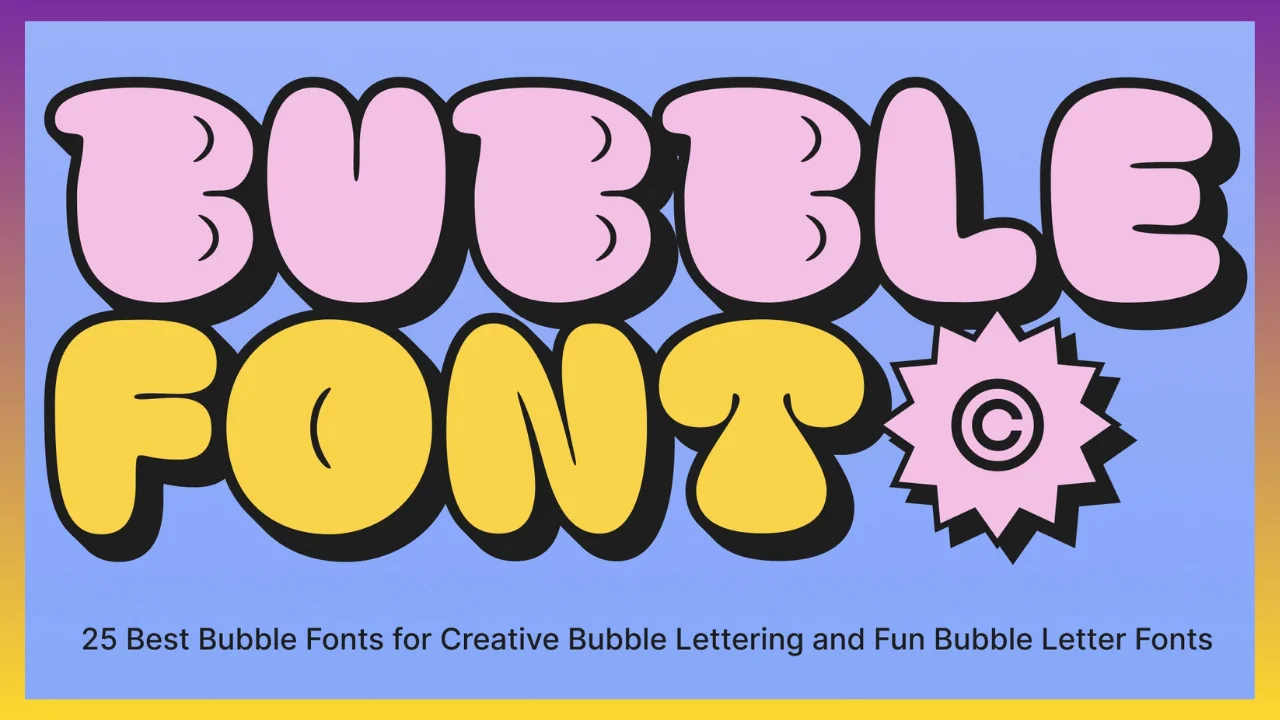
The bubble letters font is one of the most playful and eye-catching styles in typography. Its rounded, inflated shapes give letters a bold and friendly look that instantly grabs attention. Designers, artists, and even students often use this font style when they want text to look fun, approachable, and memorable. Unlike sharp-edged typefaces, bubble lettering conveys creativity and energy, making it popular in posters, graffiti, branding, and digital design.
Bubble Letters Styles, History, and Tips
History of Bubble Lettering
Bubble lettering first appeared in the 1960s and 1970s as part of the graffiti and street art movement. Artists used wide, rounded outlines to make their names and messages stand out on walls and subway cars. Over time, the style was adopted into print and digital fonts, creating the bubble letters font variations we use today. Its roots in art culture gave it a sense of freedom, individuality, and youthful expression.
Features of Bubble Letters Font
The bubble letters font stands out because of its unique design elements:
- Rounded edges – Letters appear soft and inflated, like balloons.
- Thick strokes – The font has bold lines, which increase visibility.
- Playful appearance – It conveys fun and energy rather than seriousness.
- Easy readability – Despite its artistic look, the font remains clear and legible.
These qualities make it ideal for projects that require attention-grabbing text with a friendly tone.
Popular Uses in Modern Design
Today, the bubble letters font is widely used across different industries. In marketing, companies use it to create playful brand identities, especially for products targeting children or young audiences. In education, teachers use bubble lettering in worksheets, charts, and bulletin boards to make learning engaging. Digital creators use it in YouTube thumbnails, social media graphics, and gaming logos because it stands out in crowded feeds. Its versatility ensures it fits both traditional and digital platforms.
Variations of Bubble Letters Font
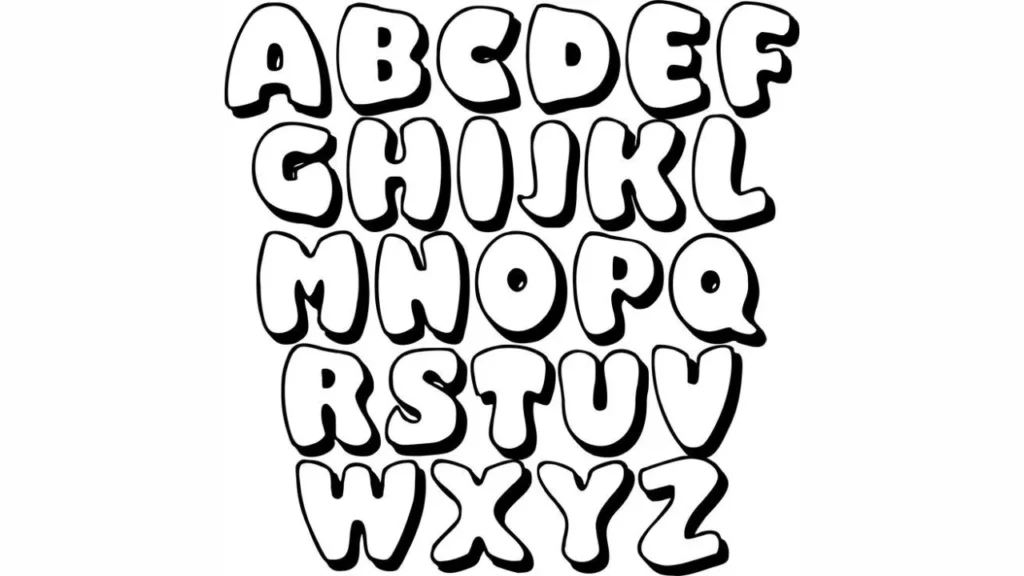
There are many variations of bubble lettering available, both as downloadable fonts and hand-drawn styles. Some of the most common include:
- Classic Bubble – Rounded letters with simple outlines.
- Graffiti Bubble – Bold, colorful, and often layered with shadows.
- 3D Bubble – Adds depth and highlights for a three-dimensional effect.
- Cartoon Bubble – Exaggerated curves with playful designs.
Each variation of the bubble letters font can be used depending on the mood and message of the project.
Bubble Letters in Digital Media
With the rise of graphic design software and online tools, creating bubble letters has become easier than ever. Programs like Photoshop, Illustrator, and Canva offer bubble fonts that can be customized with colors, shadows, and gradients. Even text generators allow users to quickly design words in a bubble letters font style for use in banners, memes, or invitations. This accessibility has made bubble lettering a favorite choice for both professionals and beginners.
Why Designers Love Bubble Letters Font
Designers choose this font style for several reasons:
- High visibility – The bold strokes ensure the message is easy to read.
- Emotional connection – Its playful curves create a positive feeling.
- Adaptability – Works in print, web, and hand-drawn projects.
- Cultural relevance – Links to graffiti and youth culture give it personality.
By balancing creativity and clarity, the bubble letters font allows designers to create standout visuals that resonate with audiences.
Tips for Using Bubble Letters Font
To make the best use of this typeface, keep these tips in mind:
- Limit use in body text – Bubble lettering works best for titles and headings, not long paragraphs.
- Pair with simple fonts – Balance bold bubble text with clean, minimal fonts for readability.
- Experiment with colors – Bright colors enhance the fun, eye-catching nature of the font.
- Use shadows and outlines – These effects add depth and make text pop.
When used carefully, the bubble letters font can transform a simple design into something exciting and professional.
Bubble Letters in Education and Crafts
Beyond professional design, bubble lettering is also loved in classrooms and hobbies. Children often practice bubble letters in art classes to develop creativity and motor skills. Teachers use it in posters and bulletin boards to make classrooms lively. Crafters use stencils and printable templates of bubble letters for scrapbooking, card-making, and DIY decorations. The bubble letters font bridges professional design with everyday creativity.
Frequently Asked Questions
What is a bubble letters font used for?
A bubble letters font is used to create fun, bold, and eye-catching designs. It’s popular in posters, logos, graffiti, classroom materials, and digital graphics because of its playful look.
Can I use bubble letters font for professional projects?
Yes, many brands and designers use bubble letters font in marketing, product packaging, and advertising. When paired with simple fonts, it adds creativity while staying professional.
How can I create bubble letters font online?
You can use design tools like Photoshop, Illustrator, or Canva. There are also free text generators and templates that allow you to customize bubble lettering with colors and effects.
Conclusion
The bubble letters font is more than just a typeface—it’s a style that represents creativity, fun, and bold expression. From its origins in graffiti to its presence in digital design, bubble lettering has maintained its relevance across decades. Its rounded edges, thick strokes, and playful personality make it ideal for projects that demand attention and positivity. Whether used in branding, education, digital content, or crafts, this font style adds character and energy wherever it appears.