
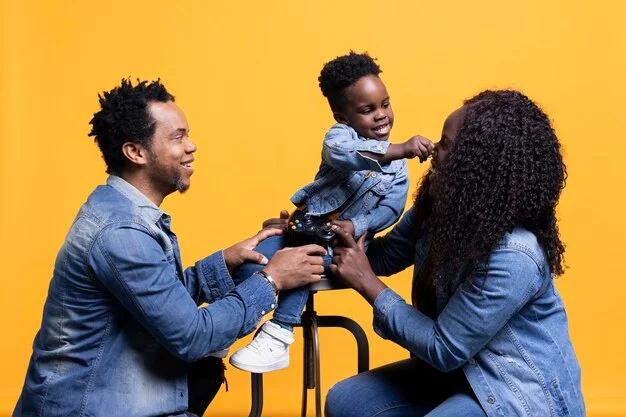
The Growing Trend of Coordinated Family Fashion
Fashion has always been a wonderful way to express personality, but recently, it has also become a way for families to celebrate together. Coordinated family fashion is becoming increasingly popular for celebrations, holidays, photoshoots, and everyday outings. Instead of everyone wearing exactly the same outfit, families can choose complementary colors, patterns, or styles that create a connected appearance while allowing each person to maintain their individuality.
What Is Coordinated Family Fashion?
Coordinated family fashion means selecting outfits that share certain visual elements without necessarily being identical. Family members might wear similar colors, matching prints, complementary fabrics, or related design details.
For example, parents and children could choose outfits featuring:
- Similar color palettes
- Coordinating prints
- Matching embroidery details
- Complementary fabrics
- Related traditional or modern silhouettes
- Similar accessories
The idea is simple: create a visual connection while keeping each outfit comfortable and suitable for the person wearing it.
Why Is It Becoming So Popular?
One major reason behind this trend is the popularity of family photographs. Special occasions often bring everyone together, and coordinated clothing can make group pictures look polished and thoughtfully planned.
Social media has also contributed to the trend. Families frequently share photographs from weddings, festivals, vacations, birthdays, and other memorable occasions. Coordinated outfits can make these moments feel even more special without requiring everyone to dress identically.
Most importantly, coordinated fashion adds a sense of togetherness. It turns clothing into part of the shared experience.
Traditional Fashion Meets Family Styling
Traditional clothing is particularly well suited to coordinated family dressing. Cultural outfits often offer a wide variety of fabrics, colors, embroidery styles, and prints, making it easy to create related looks for different family members.
For instance, a family attending a festive gathering might select one dominant color while allowing each person to choose a different garment. One person may wear a traditional suit, another may choose a contemporary silhouette, and a child may wear a simpler version inspired by the same colors and details.
This approach keeps the overall appearance connected without making every outfit identical.
Coordinating Without Looking Too Similar
There is an important difference between coordination and complete matching. Wearing exactly the same design can sometimes limit individual expression, especially when family members have different preferences.
A better approach is to choose one or two common elements.
Consider coordinating through:
- Color: Choose shades from the same color family.
- Print: Use related patterns in different garments.
- Fabric: Select similar textures while changing the silhouettes.
- Details: Repeat embroidery, borders, or decorative elements.
- Accessories: Use complementary shoes, bags, or other suitable additions.
This creates harmony while giving everyone room to develop their own look.
Mother-and-Child Fashion Takes Center Stage
One of the most recognizable versions of coordinated family dressing is mother-and-child fashion. These outfits are often designed around similar colors, prints, or traditional details.
The appeal is not simply about creating matching photographs. It can also be a fun way for families to celebrate cultural clothing and special occasions together. For those interested in traditional styling, mommy and me pakistani outfits can provide inspiration for creating coordinated looks that combine cultural character with modern design.
The best approach is to prioritize comfort and age-appropriate styling. Children should have clothing that allows them to move, play, and enjoy the occasion comfortably.
Coordinated Fashion for Special Occasions
Weddings, Eid celebrations, family dinners, and cultural events are natural opportunities for coordinated fashion. These occasions often involve photographs and gatherings where a thoughtful family wardrobe can make the celebration feel even more memorable.
For formal events, families can coordinate through elegant colors and subtle decorative details. For more relaxed gatherings, lighter fabrics and simpler designs can create a comfortable appearance.
The key is to match the level of formality. A heavily embellished adult outfit may not need to be reproduced exactly for younger family members. Instead, a simpler design can carry similar colors or motifs.
Everyday Coordinated Outfits
Coordinated fashion does not have to be reserved for special occasions. Families can also create casual looks for weekend outings, vacations, picnics, or family trips.
For everyday styling, consider:
- Comfortable fabrics
- Simple colors
- Easy-to-wear silhouettes
- Minimal accessories
- Practical footwear
- Subtle matching details
Casual coordination can be especially enjoyable because it feels relaxed rather than overly planned.
Choosing the Right Color Palette
Color is one of the easiest ways to create a coordinated family wardrobe. Instead of selecting one exact shade, families can choose several colors that work well together.
For example, neutral tones can be combined with one brighter accent color. Soft shades can create a calm appearance, while deeper tones can give outfits a more formal feel.
When choosing colors, consider the event, season, lighting, and personal preferences. A palette that looks attractive in an outdoor summer setting may feel different at an evening celebration.
Balancing Personal Style
Family coordination should never mean giving up individuality. Every person has different preferences, comfort levels, and styling needs.
One family member might prefer a traditional outfit, while another enjoys contemporary fashion. These choices can still work together when they share a common color or design element.
This flexibility makes coordinated dressing more enjoyable. Instead of forcing everyone into one style, families can build a collection of outfits that feel connected but remain personal.
Smart Shopping for Coordinated Fashion
Planning ahead can make family fashion easier and more affordable. Rather than buying completely new outfits for everyone, look through existing wardrobes first.
You may already have pieces that coordinate naturally through color or fabric. Small additions, such as a matching scarf, embroidered detail, or complementary accessory, can sometimes bring several outfits together.
Before shopping, make a simple plan:
- Decide on the occasion.
- Select a color palette.
- Consider everyone’s comfort.
- Check existing clothing.
- Identify only the pieces that are needed.
- Keep personal preferences in mind.
This prevents unnecessary purchases and makes the process more organized.
The Future of Family Fashion
As fashion continues to become more flexible, coordinated family dressing is likely to remain popular. Designers are increasingly creating collections that offer related styles across different age groups, making it easier for families to create cohesive wardrobes.
The future may bring even more options, from traditional coordinated collections to modern casualwear designed around shared colors and patterns. The strongest trend, however, will likely remain the same: celebrating family connections while allowing each person to express their own personality.
Conclusion
Coordinated family fashion offers a creative way to celebrate togetherness without sacrificing individuality. Through complementary colors, fabrics, prints, and details, families can create memorable looks for special occasions and everyday moments. As the trend continues growing, thoughtful coordination can make family dressing more enjoyable, expressive, comfortable, and meaningful for everyone.