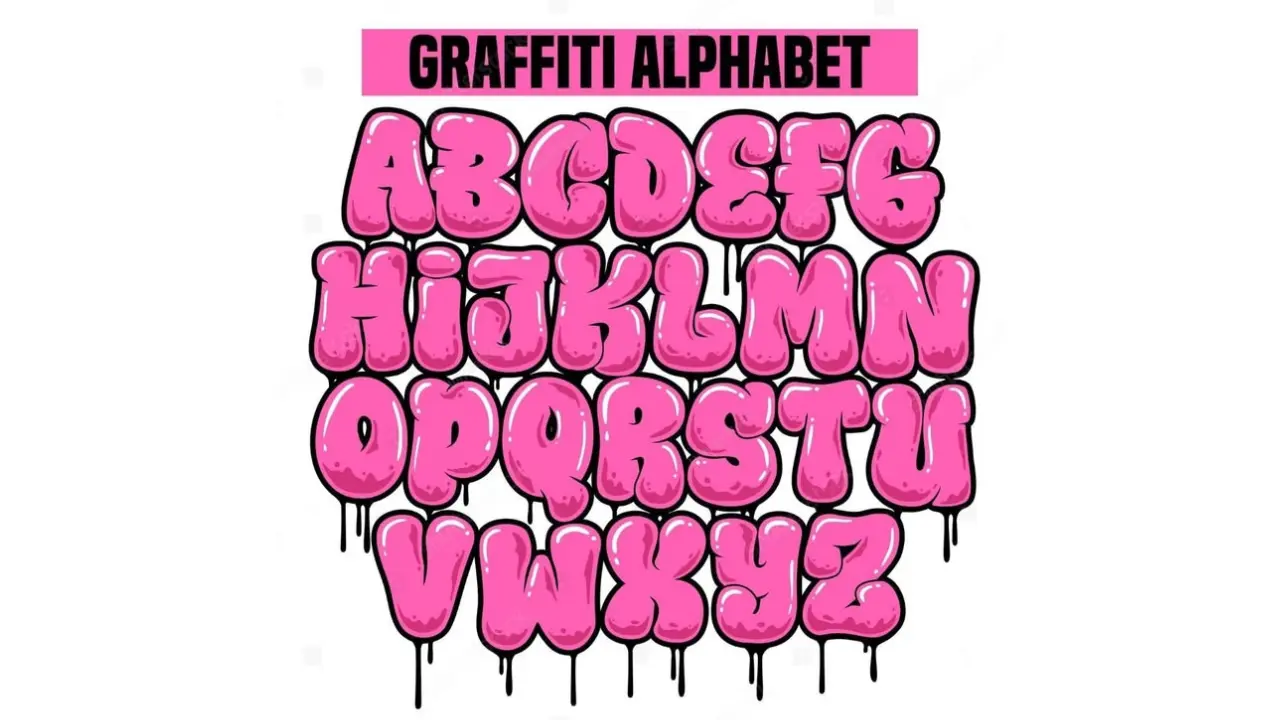
Bubble Letters Graffiti Styles, Techniques, and Creative Ideas
Bubble letters graffiti is one of the most recognizable styles in street art and modern lettering. Artists use rounded, thick, and inflated-looking letters to create words that feel bold, playful, and easy to notice. This style works well for beginners because the basic shapes are simple, but skilled artists can also turn bubble lettering into highly detailed artwork.
Graffiti artists often use bubble-style letters for names, tags, posters, sketchbooks, murals, and digital designs. The rounded shapes provide plenty of space for colors, shadows, highlights, patterns, and decorative effects. With a little practice, almost anyone can learn the basic structure and develop a personal lettering style.
What Are Bubble Letters in Graffiti?
Bubble letters are thick letters with smooth and rounded edges. Instead of using thin straight lines, artists build each character with wide shapes that look similar to balloons or bubbles.
The main idea behind bubble letters graffiti is to make every character look full and soft. Most letters have very little empty space between their inner and outer lines. Artists often connect or overlap letters to create a stronger visual effect.
This lettering style became popular because it is easy to recognize from a distance. Large rounded characters can quickly attract attention when artists use them on walls, posters, signs, notebooks, or digital artwork.
Why Is Bubble Letter Graffiti So Popular?
Bubble lettering gives artists freedom to experiment without following strict typography rules. A letter can be stretched, tilted, widened, compressed, or connected to another character while still remaining readable.
Beginners also enjoy this style because they can start with simple shapes. They do not need advanced drawing skills to create basic letters. Once they understand the structure, they can gradually add more complex design elements.
Another reason for its popularity is versatility. Artists can create friendly cartoon lettering, bold street-art lettering, colorful logos, or highly detailed graffiti pieces from the same basic technique.
Alphabet Bubble Letters Easy Steps, Styles & Tips for Beginners
How to Draw Bubble Letters Graffiti
Learning bubble letters graffiti becomes easier when you build each letter in stages. Start by writing a normal word lightly with a pencil. Leave enough room between the letters because you will make each character much thicker.
Draw a wide outline around every letter. Keep the corners soft and rounded rather than sharp. Try to make the thickness similar across all parts of each character.
After creating the basic outline, erase the original guide letters. You should now have large rounded characters that look inflated.
Next, improve the shape of each letter. Adjust areas that look too narrow, uneven, or crowded. Smooth lines will make the final design look much cleaner.
Adding Outlines and Borders
Outlines play an important role in graffiti lettering. A dark outer line helps separate the characters from the background and makes the word easier to read.
Many artists use more than one outline. The first line defines the letter, while a second border creates more separation from nearby artwork.
You can also make some areas of the outline thicker than others. This gives your artwork more personality and helps certain parts of the design stand out.
Using Shadows for a 3D Effect
Shadows can turn flat bubble letters graffiti into letters that appear to come forward from the page or wall. The easiest method is to choose one direction for the shadow and use it consistently.
For example, imagine that light comes from the upper-left corner. Shadows would usually appear on the lower-right side of each letter.
Draw short matching lines from the edges of your letters, then connect those lines to create a solid shadow area. Keeping the shadow direction consistent makes the lettering look more realistic.
Cute Bubble Letters Easy Step-by-Step Guide for Beginners
Adding Highlights and Depth
Highlights create the appearance of light reflecting from the surface of the letters. Small white lines, curved marks, or dots near the top of each character can make the letters appear shiny.
Artists often combine highlights with shadows. The contrast between bright highlights and dark shadows creates depth and makes the characters look more three-dimensional.
You can also add smaller highlights inside rounded areas. Avoid using too many because excessive highlights can make the design look crowded.
Choosing Colors for Bubble Letter Designs
Color can completely change the mood of your lettering. Bright colors such as yellow, orange, blue, green, and pink often create an energetic appearance.
A simple bubble letters graffiti design may use one main color with a darker outline and lighter highlights. More advanced artwork can include gradients, multiple colors, patterns, or textures inside each character.
Try to choose colors that have enough contrast. When the letter color and background are too similar, the word may become difficult to read.
Popular Bubble Letter Graffiti Styles
Artists often develop different versions of bubble lettering. Traditional bubble letters usually have smooth shapes, equal thickness, and clear spacing.
Wild bubble letters may include overlapping characters, exaggerated curves, arrows, stars, drips, or decorative lines. Some artists make the letters look extremely inflated, while others keep them compact.
Cartoon-inspired styles may include faces, eyes, hands, crowns, flames, clouds, or characters around the word. These extra elements help create a unique visual identity.
Creating Your Own Bubble Letter Style
Copying basic shapes is useful when learning, but developing an original style should become the long-term goal. Experiment with different letter widths, curves, spacing, shadows, and decorations.
When practicing bubble letters graffiti, try drawing the same word several times. Make one version wide, another tall, and another tightly connected. Comparing these versions can help you discover which shapes feel most natural to you.
Keep a sketchbook for your lettering ideas. Regular practice allows you to test new techniques without worrying about creating perfect artwork every time.
Common Mistakes Beginners Should Avoid
One common mistake is making letters too close together before adding thickness. Always leave additional space when drawing the first guide word.
Uneven letter size can also reduce readability. Letters do not need to be identical, but they should look balanced when placed together.
Another mistake is using shadows in different directions. Choose one light source before drawing the shadow so the whole design stays consistent.
Beginners should also avoid adding too many decorations immediately. Strong letter shapes should come first. Extra details work better after the main structure looks clean.
Tools You Can Use for Bubble Letter Art
A pencil and eraser are enough for basic practice. Once you feel confident, you can use markers, colored pencils, paint pens, digital drawing tablets, or graphic design software.
Black markers work especially well for outlines. Colored markers allow you to add fills, gradients, and decorative patterns.
Digital tools are also useful for bubble letters graffiti because they allow artists to resize letters, test colors, undo mistakes, and experiment with shadows before finishing the design.
Where Bubble Letter Graffiti Can Be Used
Bubble lettering is not limited to traditional street art. Designers use similar letter styles for posters, clothing graphics, stickers, social media posts, logos, school projects, album artwork, and digital illustrations.
For physical graffiti or murals, artists should use legal walls, commissioned spaces, canvases, or other approved surfaces. Practicing in sketchbooks or digital apps is another good way to improve without damaging property.
The style is especially useful when the goal is to create bold, informal, and energetic lettering that attracts attention quickly.
Final Thoughts
Learning bubble letters graffiti is a fun way to improve lettering, drawing, and design skills. Start with simple rounded shapes, then slowly add outlines, shadows, highlights, colors, and personal details. With regular practice and creative experimentation, you can turn basic bubble letters into original artwork with a strong visual identity.