Letters in French French Alphabet and Pronunciation
Learning letters in French is an important first step toward understanding the French language. Whether you want to travel, study abroad, improve your communication skills, or learn a new language, the alphabet provides a strong foundation.
The French alphabet shares many similarities with the English alphabet. However, French pronunciation, accents, and spelling rules make the language unique. Understanding these differences can help beginners read, write, and speak French more confidently.
This guide covers the French alphabet, pronunciation, vowels, consonants, accent marks, spelling rules, and practical learning techniques.
What Are Letters in French?
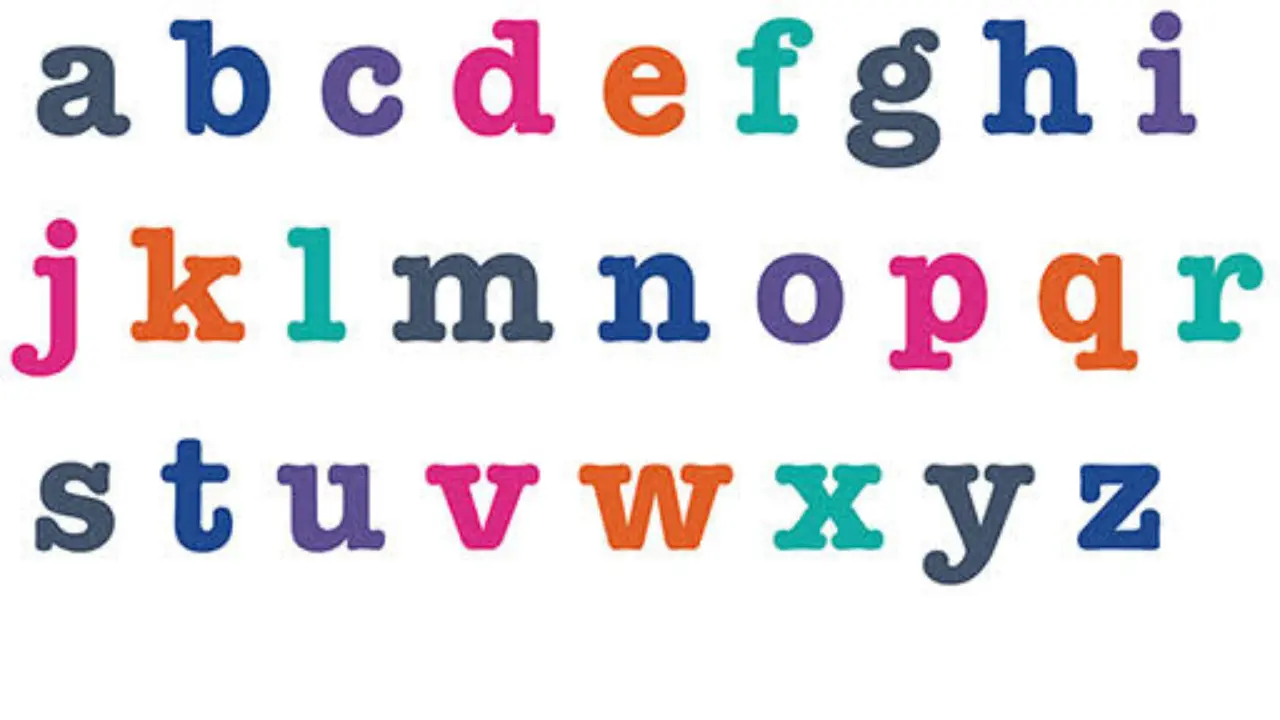
The French alphabet contains 26 letters and follows the Latin writing system. Although French and English use the same basic alphabet, they pronounce many characters differently.
Understanding letters in French helps learners recognize words, improve pronunciation, and develop better reading habits. French also uses special accent marks that influence pronunciation, spelling, and meaning.
The French alphabet consists of six commonly recognized vowel letters and twenty consonant letters. Each letter has a specific name, but its sound may change depending on its position within a word.
Complete French Alphabet With Pronunciation
Learning the pronunciation of each alphabet letter makes French spelling easier. The following table provides approximate English pronunciations of French letter names.
| French Letter | Approximate Pronunciation |
|---|---|
| A | Ah |
| B | Bay |
| C | Say |
| D | Day |
| E | Uh |
| F | Ef |
| G | Zhay |
| H | Ash |
| I | Ee |
| J | Zhee |
| K | Kah |
| L | El |
| M | Em |
| N | En |
| O | Oh |
| P | Pay |
| Q | Kü |
| R | Ehr |
| S | Es |
| T | Tay |
| U | Ü |
| V | Vay |
| W | Doobluh vay |
| X | Eeks |
| Y | Ee-grek |
| Z | Zed |
These pronunciations provide a helpful starting point. However, some French sounds, particularly U and R, have no exact English equivalent.
How Many Letters Does the French Alphabet Have?
The modern French alphabet has 26 basic letters. French also uses accented characters and combined characters, such as é, ç, œ, and æ.
These characters do not increase the official alphabet count. Instead, they represent modified letters or traditional letter combinations.
Unlike English, French regularly uses accent marks in everyday writing. These marks help readers understand how words sound and distinguish between words with similar spellings.
French Vowels and Their Sounds
Vowels play an essential role in French pronunciation. They appear in almost every French word and influence how syllables sound.
The six French vowel letters are A, E, I, O, U, and Y.
| Vowel | French Example | English Meaning |
|---|---|---|
| A | Ami | Friend |
| E | Été | Summer |
| I | Ici | Here |
| O | Orange | Orange |
| U | Une | One |
| Y | Style | Style |
French vowels can produce different sounds when combined with other characters. Some vowel combinations also create nasal sounds that beginners may find challenging.
Regular listening and speaking practice can help learners recognize these differences naturally.
French Consonants and Their Pronunciation
French uses twenty consonant letters. Many produce sounds similar to English consonants, while others follow different pronunciation rules.
For example, the French R often comes from the back of the throat. The letter J produces a soft sound similar to the middle consonant in the English word “measure.”
The letter H is generally silent in French. However, certain words beginning with H prevent contractions and liaison, even though speakers do not pronounce the H itself.
Practicing consonants within complete words helps learners understand their actual sounds.
Understanding French Accent Marks
Accent marks are important when studying letters in French because they can change pronunciation, spelling, and word meaning.
French uses five main types of diacritical marks.
1. Acute Accent (Accent Aigu)
The acute accent appears above the letter E, creating é. It generally produces a closed vowel sound.
Common examples include:
- École — School
- Café — Coffee
- Été — Summer
2. Grave Accent (Accent Grave)
The grave accent appears on à, è, and ù. It changes the pronunciation of E or helps distinguish words with similar spellings.
For example, “ou” means “or,” while “où” means “where.”
3. Circumflex Accent (Accent Circonflexe)
The circumflex appears as â, ê, î, ô, and û. It sometimes reflects historical spelling changes and may influence pronunciation.
Examples include forêt, fête, and hôtel.
4. Diaeresis (Tréma)
The diaeresis indicates that a vowel should generally receive a separate pronunciation rather than combine with a neighboring vowel.
Common examples include Noël and naïf.
5. Cedilla (Cédille)
The cedilla appears beneath C, creating ç. It gives C a soft S sound before A, O, or U.
Examples include garçon, français, and leçon.
Cute Bubble Letters Easy Step-by-Step Guide for Beginners
Differences Between French and English Letters
French and English share the same basic alphabet, but their pronunciation systems differ considerably.
Learning letters in French becomes easier when students understand these differences.
| Feature | French | English |
|---|---|---|
| Basic alphabet | 26 letters | 26 letters |
| Accent marks | Common | Uncommon |
| Silent letters | Common | Common |
| Nasal vowels | Common | Not generally distinctive |
| Letter R | Often throaty | Usually tongue-based |
| Letter U | Often rounded | Multiple sounds |
| Letter J | Soft ZH sound | Usually hard J sound |
French pronunciation follows several recognizable spelling patterns. However, learners must also understand common exceptions.
Common Silent Letters in French
Silent letters frequently appear at the end of French words. They can make pronunciation difficult for beginners who expect every written character to produce a sound.
For example, speakers generally do not pronounce the final consonants in these words:
| French Word | Approximate Pronunciation | Meaning |
|---|---|---|
| Petit | Puh-tee | Small |
| Grand | Grahn | Big |
| Beaucoup | Boh-koo | A lot |
| Temps | Tahn | Time |
| Vous | Voo | You |
Some normally silent consonants become audible during liaison. This happens when certain words connect to a following vowel sound.
Listening to native speakers helps learners understand these patterns.
Alphabet Bubble Letters Easy Steps, Styles & Tips for Beginners
Common French Letter Combinations
French frequently combines two or more characters to create a single sound. Recognizing these combinations improves reading speed and pronunciation.
| Combination | Example | Meaning |
|---|---|---|
| CH | Chat | Cat |
| OU | Rouge | Red |
| AI | Maison | House |
| EAU | Eau | Water |
| AU | Chaud | Hot |
| OI | Trois | Three |
| GN | Montagne | Mountain |
| PH | Photo | Photo |
These combinations appear throughout everyday French vocabulary. Learning them together rather than separately helps students recognize familiar spelling patterns.
How to Spell Words in French
Spelling words correctly requires knowledge of French letter names and accent marks. This skill becomes particularly useful when introducing yourself, sharing an address, or completing official documents.
Practicing letters in French through spelling exercises can improve both listening and communication skills.
For example, the French word “bonjour” contains seven letters: B, O, N, J, O, U, and R.
When spelling aloud, use the French name of each character rather than its English name. Regular practice with familiar names and everyday words builds confidence.
Uppercase and Lowercase French Letters
French uses uppercase and lowercase characters in much the same way as English.
Writers capitalize the first word of a sentence, personal names, countries, cities, and many proper nouns.
However, French generally uses lowercase letters for days, months, languages, and nationality adjectives.
For example, Monday becomes lundi, January becomes janvier, and the French language becomes le français.
Uppercase French characters should also retain their accent marks when required. Correct accent usage improves readability and grammatical accuracy.
How to Write Letters in the French Language
The word “letters” can also refer to written correspondence. French communication follows different conventions for formal and informal messages.
A formal letter often begins with “Madame, Monsieur” and ends with a polite closing expression.
Informal letters may begin with “Cher ami,” meaning dear friend, or “Bonjour,” meaning hello.
Understanding these expressions helps learners communicate appropriately in personal, academic, and professional situations.
Best Ways to Learn the French Alphabet
Learning letters in French does not require complicated study methods. Consistent practice and simple exercises can produce meaningful improvements.
Start by reading the alphabet aloud every day. Focus on difficult sounds and repeat them until they become more familiar.
Writing French vocabulary, listening to native speakers, using flashcards, and practicing spelling can strengthen your understanding.
You can also label household objects with French words. This technique connects vocabulary with everyday experiences and makes learning more enjoyable.
Common Mistakes Beginners Should Avoid
Many beginners pronounce French characters using English pronunciation rules. This habit can lead to misunderstandings and incorrect speech.
Ignoring accent marks is another common mistake. Accents form an important part of correct French spelling.
Beginners should also avoid pronouncing every final consonant automatically. French contains many silent characters and connected speech patterns.
Instead of memorizing rules alone, combine reading, listening, writing, and speaking exercises.
Benefits of Learning the French Alphabet
Understanding the French alphabet offers several educational and practical benefits. It helps students build vocabulary, recognize unfamiliar words, and communicate more effectively.
Learning letters in French also supports travel, academic studies, international business, and cultural exploration.
French alphabet knowledge provides a foundation for developing stronger grammar, listening, and conversational skills. With regular practice, learners can gradually progress toward more advanced language activities.
Frequently Asked Questions
How many letters are in the French alphabet?
The French alphabet contains 26 basic letters, just like the English alphabet.
What are the six French vowel letters?
The six vowel letters are A, E, I, O, U, and Y.
Is the French alphabet difficult to learn?
The French alphabet is relatively easy to memorize. However, pronunciation and accent marks require additional practice.
Does French use special characters?
Yes, French uses accented characters such as é, è, ê, ë, and ç, along with ligatures such as œ.
Is the letter H silent in French?
Yes, the letter H is generally silent, although it can influence contractions and liaison.
How can I improve my French pronunciation?
Listen to native speakers, repeat common words, practice vowel sounds, and read French sentences aloud regularly.
Conclusion
Learning letters in French provides a valuable foundation for mastering the French language. The alphabet contains 26 basic characters, but unique pronunciation rules, accent marks, silent consonants, and vowel combinations distinguish French from English.
Beginners should focus on letter names, common sounds, spelling patterns, and everyday vocabulary. Regular practice can improve pronunciation, reading comprehension, and writing accuracy.
Whether you are learning French for education, travel, professional development, or personal enjoyment, understanding the alphabet is an excellent starting point. With patience and consistent effort, you can develop stronger language skills and communicate in French with greater confidence.