Bubble Letters K Drawing and Designing
Bubble lettering is a creative writing style that transforms ordinary alphabet letters into rounded, playful designs. Whether you enjoy drawing, crafting, or decorating school projects, learning bubble letters K can help you develop your artistic skills. This lettering style is simple, attractive, and suitable for people of all ages.
The letter K has a unique structure with a vertical line and two diagonal arms. Adding rounded edges and thick outlines gives it a soft and decorative appearance. You can also experiment with different colors, patterns, shadows, and textures.
This guide explains how to draw uppercase and lowercase bubble K letters, explore different styles, and create beautiful lettering designs.
What Are Bubble Letters K?
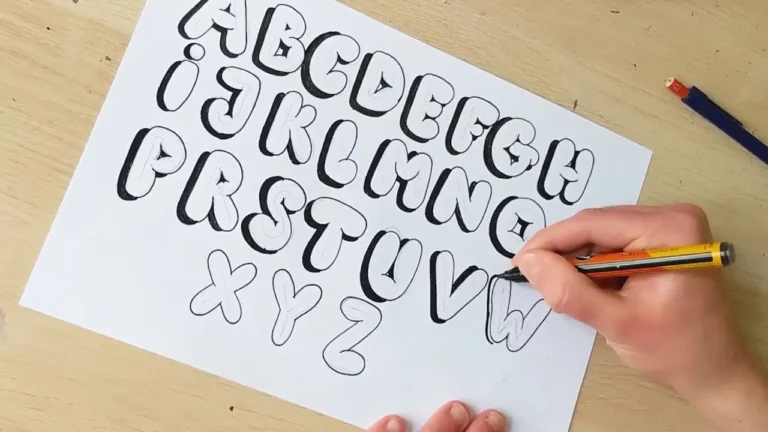
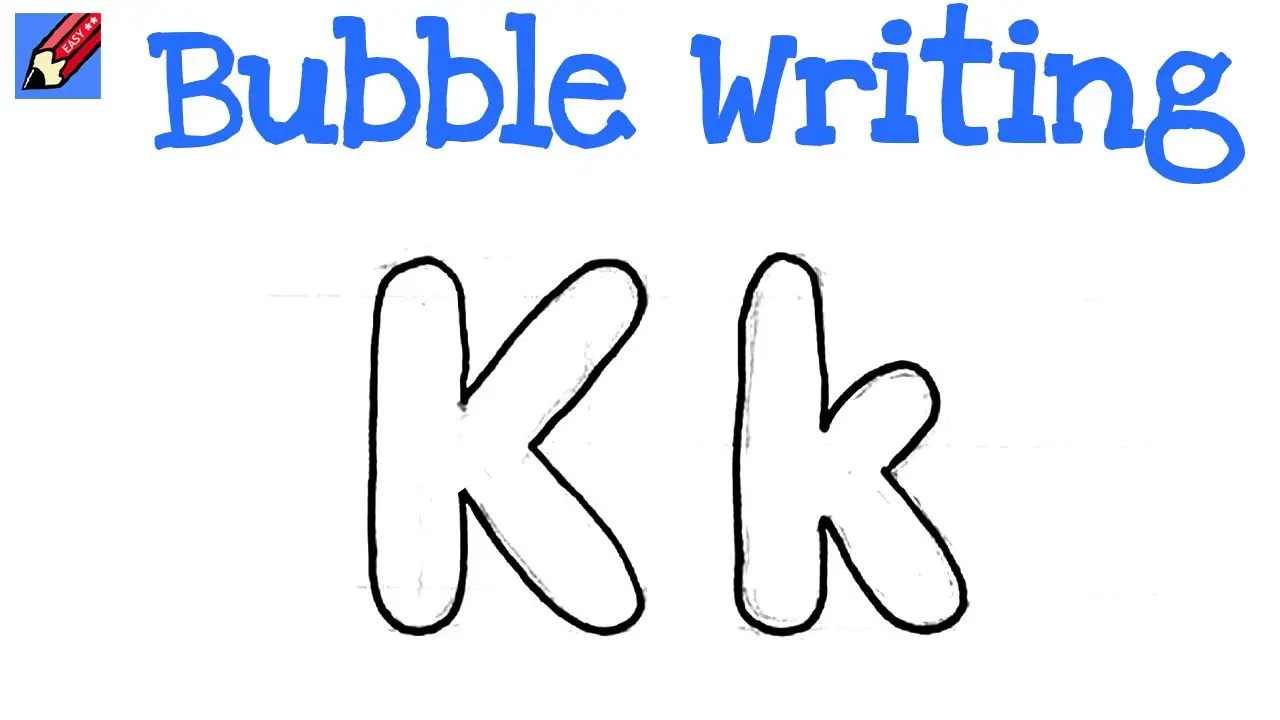
Bubble letters K are decorative versions of the traditional letter K with thick outlines, curved corners, and rounded shapes. Unlike standard handwriting, bubble lettering creates a bold and inflated appearance that resembles a balloon.
Artists, students, teachers, and graphic designers use bubble lettering for various creative activities. Its friendly appearance makes it especially popular for classroom decorations, birthday cards, posters, and personal artwork.
You do not need professional drawing experience to create bubble letters. With basic supplies and regular practice, anyone can learn this interesting lettering technique.
Why Is Bubble Lettering Popular?
Bubble lettering remains popular because it combines simplicity with creativity. It allows people to express their artistic ideas without following complicated design rules.
Children enjoy drawing rounded letters because they are easy to color. Adults also use this lettering style for journaling, scrapbooking, and decorative projects.
Some common benefits of bubble lettering include:
- Improves drawing and handwriting skills.
- Encourages imagination and creativity.
- Makes educational activities more enjoyable.
- Creates attractive headings and decorations.
- Helps develop hand-eye coordination.
- Provides an enjoyable recreational activity.
The flexibility of bubble lettering makes it suitable for both personal and educational purposes.
Materials Needed to Draw a Bubble Letter K
You can create attractive lettering with simple art supplies. Beginners should start with a pencil and paper before experimenting with advanced materials.
| Material | Purpose |
|---|---|
| Pencil | Creating basic outlines |
| Eraser | Removing unwanted lines |
| Drawing paper | Providing a smooth drawing surface |
| Black marker | Creating bold borders |
| Colored pencils | Adding decorative colors |
| Ruler | Maintaining balanced proportions |
| Gel pens | Adding highlights and details |
| Watercolors | Creating artistic effects |
Using quality materials can improve your results. However, expensive supplies are not necessary for learning basic bubble lettering.
How to Draw Bubble Letters K Step by Step
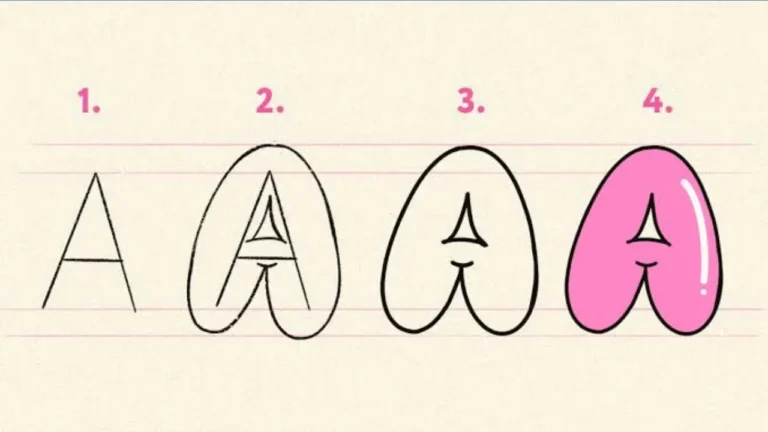
Learning to draw the letter K in bubble style becomes easier when you divide the process into simple steps. Start slowly and focus on maintaining balanced proportions.
Step 1: Draw a Basic Letter K
Use a pencil to draw a large uppercase K. Create one vertical line and two diagonal lines extending from its middle section.
Keep your pencil strokes light because you will erase these guidelines later.
Step 2: Add Thickness
Draw additional lines around the original letter. Leave enough space between the guidelines and the outer edges to create a thick appearance.
Try to maintain consistent thickness throughout the design.
Step 3: Round the Corners
Replace sharp corners with smooth curves. Round the ends of the vertical section and both diagonal arms.
This step creates the characteristic balloon-like appearance of bubble lettering.
Step 4: Remove Extra Lines
Carefully erase the original pencil guidelines. Keep only the outer shape of your decorative letter.
Check the outline and correct any uneven sections.
Step 5: Trace the Outline
Use a black marker or dark pen to trace the finished shape. A bold outline makes the letter more noticeable.
Allow the ink to dry before adding colors.
Step 6: Add Colors and Decorations
Choose your favorite colors and fill the empty spaces. You can add stars, dots, stripes, hearts, or other decorative patterns.
Your completed letter should look rounded, colorful, and visually balanced.
How to Draw a Lowercase Bubble Letter K
The lowercase letter k offers a slightly different drawing experience. Its smaller diagonal arms and tall vertical stem create an interesting shape.
Begin by drawing a standard lowercase k with light pencil strokes. Add thick outlines around its structure and carefully round the corners.
Keep the upper diagonal arm smaller than the main vertical section. Make sure both diagonal arms connect naturally to the stem.
Once you finish the outline, erase unnecessary guidelines and add your preferred colors. Lowercase bubble letters work particularly well for names, personalized messages, and creative handwriting.
Different Styles of Bubble Letters K
You can customize your lettering according to your artistic preferences. Different styles create different visual effects and suit various creative projects.
Classic Bubble Style
Classic bubble lettering features thick outlines and smooth, rounded corners. It offers a simple appearance that beginners can easily recreate.
This style works well for coloring pages, school assignments, and alphabet worksheets.
Graffiti Bubble Style
Graffiti lettering uses exaggerated shapes, bold borders, and vibrant colors. Artists often add overlapping elements and decorative shadows.
This style creates an energetic appearance suitable for street-art-inspired designs.
3D Bubble Style
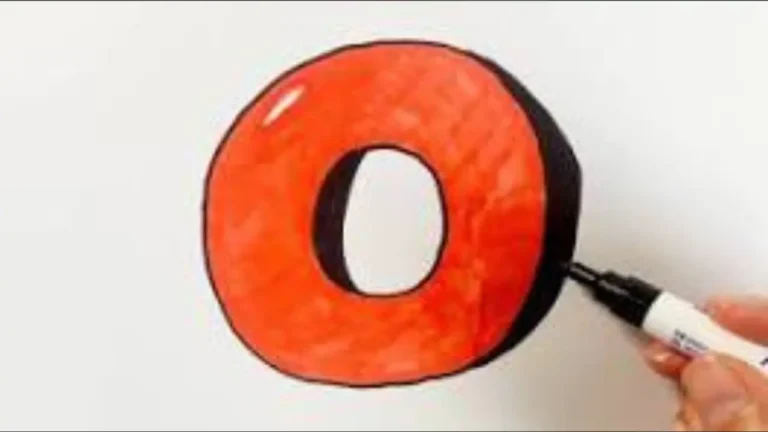
Three-dimensional lettering creates the illusion of depth. You can achieve this effect by adding an offset outline and connecting it to the original letter.
Use darker shades on the side sections to make the design appear raised.
Cartoon Bubble Style
Cartoon lettering combines playful shapes with expressive details. You can add smiling faces, eyes, or small decorative characters.
Children often enjoy this style because it makes alphabet learning more entertaining.
Glitter Bubble Style
Glitter lettering creates a sparkling appearance. Use glitter pens, metallic markers, or small reflective decorations to achieve this effect.
It is particularly suitable for greeting cards, party invitations, and festive artwork.
Uppercase vs. Lowercase Bubble K
Both uppercase and lowercase letters offer creative opportunities. Their differences make them suitable for different design purposes.
| Feature | Uppercase K | Lowercase k |
|---|---|---|
| Size | Generally larger | Generally smaller |
| Structure | Two prominent diagonal arms | Smaller diagonal arms |
| Appearance | Bold and noticeable | Soft and decorative |
| Best use | Titles and posters | Names and sentences |
| Difficulty | Beginner-friendly | Requires careful proportions |
| Decoration | More space for patterns | Suitable for smaller details |
Practicing both versions helps improve your understanding of alphabet shapes and lettering proportions.
Creative Coloring Ideas for Bubble Letters K
Coloring transforms simple lettering into attractive artwork. Choosing the right color combinations can significantly improve the overall design.
Rainbow colors create a cheerful appearance, while pastel shades offer a softer and more elegant effect. Neon colors make lettering stand out against dark backgrounds.
You can also experiment with gradient coloring by blending two or more shades. Start with a darker color near the bottom and gradually introduce lighter shades toward the top.
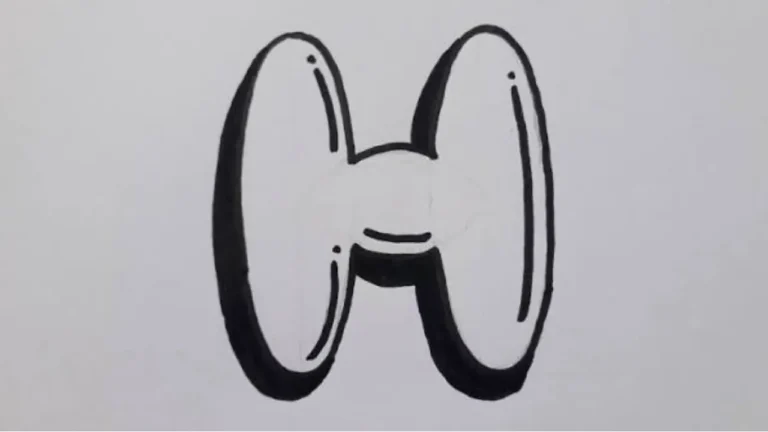
Adding small white highlights creates a shiny, balloon-like effect. These details make the finished design appear more realistic and professional.
How to Create a 3D Bubble Letter K
Creating a three-dimensional letter requires a few additional drawing techniques. Start with a completed bubble letter and choose a direction for the shadow.
Draw a second outline slightly below and to the right of the original shape. Connect the corresponding corners to create visible side sections.
Fill the side sections with a darker shade of your main color. Keep the front surface lighter to create contrast.
Finally, add white highlights near the upper edges. Consistent lighting and shading will give your artwork a realistic sense of depth.
Printable Bubble Letter K Templates
Printable alphabet templates provide a convenient way to practice decorative lettering. They allow beginners to understand letter shapes before attempting freehand drawings.
Teachers can use printable templates for classroom activities and alphabet recognition exercises. Parents can also introduce them during home learning sessions.
You can create your own template by drawing a large outlined K on plain paper. Leave the inside empty so children can color, paint, or decorate it.
Reusable templates also help maintain consistent letter sizes when creating banners and larger craft projects.
Creative Uses of Bubble Letters K
Decorative lettering has many practical applications beyond simple drawing exercises. Its attractive appearance makes it useful for different artistic projects.
School Projects
Students can use bubble lettering for assignment headings, science posters, and presentation boards. Colorful titles help organize information and attract attention.
Birthday Decorations
Large decorative letters work well for birthday banners, invitations, and party signs. You can customize them according to the celebration’s theme.
Scrapbooking
Bubble lettering adds personality to scrapbook pages. Use different patterns and colors to complement photographs and personal memories.
Personalized Gifts
Decorative initials can enhance handmade cards, notebooks, gift boxes, and bookmarks. Adding someone’s initial creates a personal touch.
Digital Designs
Graphic designers can create bubble lettering for social media graphics, stickers, digital illustrations, and playful branding projects.
Common Mistakes to Avoid
Beginners sometimes create uneven outlines or sharp corners that reduce the rounded appearance of their letters.
Avoid pressing too hard with your pencil during the initial drawing stage. Heavy pencil marks can become difficult to erase.
Maintain consistent thickness throughout the letter. Uneven diagonal arms may make the finished design appear unbalanced.
When adding shadows, keep the light source consistent. Shadows pointing in different directions can reduce the three-dimensional effect.
Regular practice will help you overcome these common mistakes.
Tips to Improve Your Bubble Lettering Skills
Developing strong lettering skills requires patience and consistent practice. Start with simple designs before moving toward complex artistic styles.
Practice drawing smooth curves and rounded corners. Experiment with different letter sizes to understand how proportions affect the finished appearance.
Use light pencil guidelines and take your time when tracing outlines. Try new color combinations and decorative patterns to discover your preferred style.
Keeping a sketchbook allows you to track your progress and develop original lettering ideas over time.
Frequently Asked Questions
What are bubble letters K?
They are decorative versions of the letter K featuring thick outlines, rounded corners, and an inflated appearance.
Is drawing a bubble letter K difficult?
No, beginners can easily draw it by creating a basic K, adding thickness, and rounding its corners.
Can children learn bubble lettering?
Yes, bubble lettering is an enjoyable activity that helps children develop creativity, alphabet recognition, and drawing skills.
What colors look best on bubble lettering?
Rainbow, pastel, neon, and gradient colors are popular choices. The best combination depends on your design theme.
Can I create bubble lettering digitally?
Yes, digital drawing applications and graphic design software allow users to create, color, and customize decorative alphabet letters.
How can I make my bubble letter look realistic?
Add consistent shadows, smooth outlines, gradient colors, and small white highlights to create a realistic balloon-like appearance.
Conclusion
Learning bubble letters K is an enjoyable way to improve your artistic abilities and explore creative typography. From classic rounded designs to colorful graffiti and three-dimensional lettering, there are countless possibilities to experiment with.
You only need basic drawing supplies, patience, and imagination to get started. Whether you are creating classroom decorations, personalized gifts, printable worksheets, or digital artwork, bubble lettering offers a simple and attractive design solution.