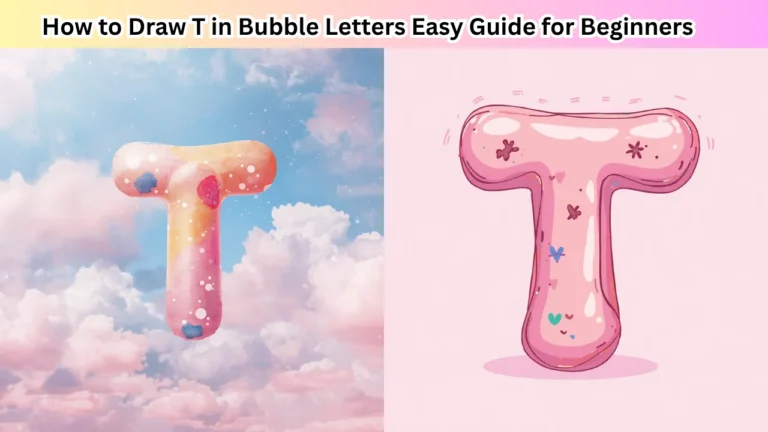
Cursive Bubble Letters
Writing can be more than just words—it can be an art form. Cursive bubble letters combine the elegance of cursive handwriting with the playful, rounded style of bubble art. This unique lettering style is popular for posters, logos, art projects, and even digital design. Whether you’re a student, artist, or designer, learning this lettering form adds creativity and flair to your work.
Bubble Letters Styles, History, and Tips
What Are Cursive Bubble Letters?

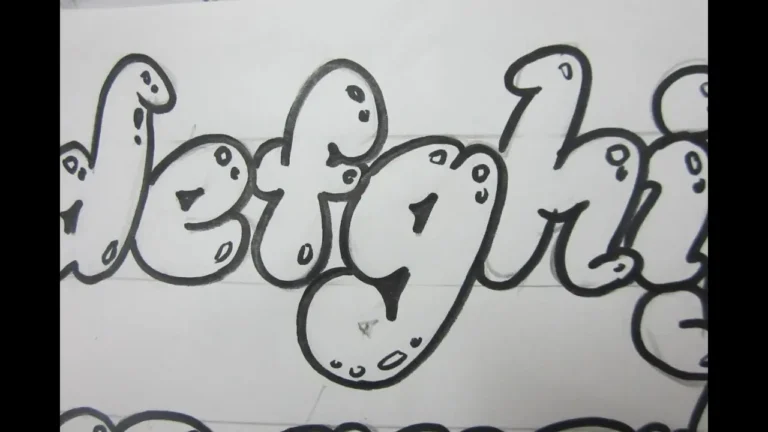
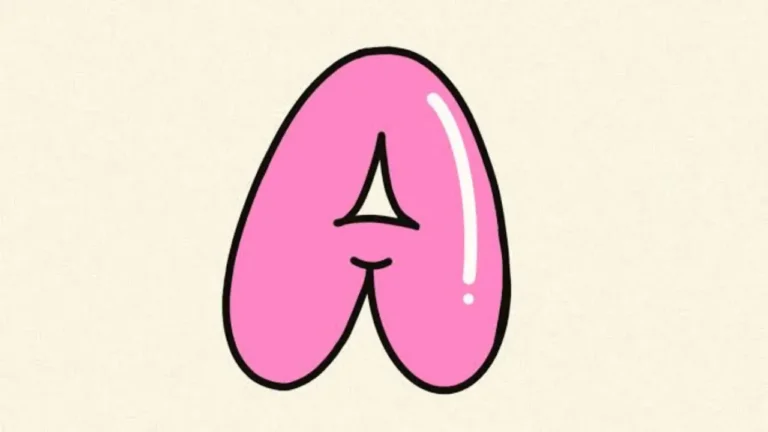
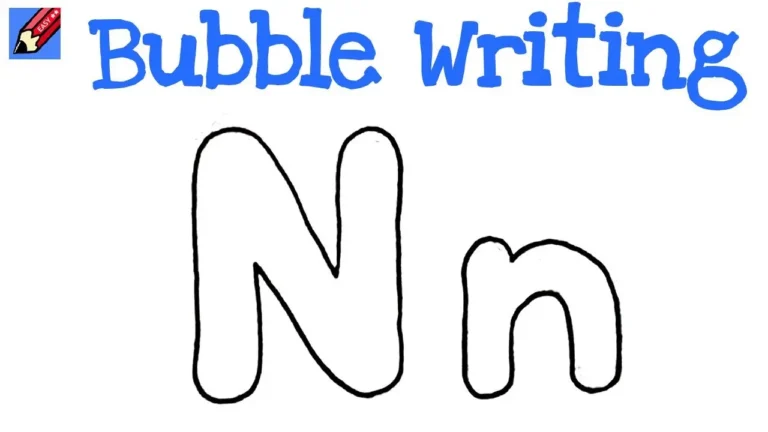
Cursive bubble letters are a blend of two writing styles—cursive and bubble lettering. In cursive, letters connect smoothly in flowing strokes. Bubble letters, on the other hand, are thick, rounded, and resemble inflated balloons. When combined, they form a style that is both elegant and eye-catching.
This lettering style stands out because it captures the smooth motion of cursive handwriting while adding bold, three-dimensional appeal. Many people use it for decorative writing, DIY projects, and personalized crafts.
History Behind Bubble and Cursive Styles
Cursive writing dates back centuries, developed for faster and smoother penmanship. Bubble letters became popular in the 1970s and 1980s during the graffiti and street art movement. Artists loved their playful, bold shapes that made words pop on walls and posters.
When the two styles merged, cursive bubble letters became a creative evolution—bringing together classic handwriting and modern artistic expression. Today, this hybrid form is widely used in school projects, digital designs, and social media graphics.
Why Learn Cursive Bubble Letters?
Learning cursive bubble letters offers several benefits beyond just aesthetic appeal. It improves hand-eye coordination, boosts creativity, and enhances focus. Here are a few reasons people love this style:
- Creative Expression – It allows you to express your personality through artful lettering.
- Relaxation – Many find drawing these letters soothing and meditative.
- Useful for Art and Design – Designers use them in logos, posters, and social media posts.
- Personalization – Great for customizing journals, invitations, or classroom decorations.
This combination of beauty and functionality makes it a fun skill to learn at any age.
Tools You Need to Start
To create beautiful cursive bubble letters, you don’t need fancy tools—just a few basic items.
- Paper – Use smooth paper that won’t bleed ink.
- Pencil – Start with light pencil sketches for easy corrections.
- Markers or Gel Pens – Ideal for outlining and coloring.
- Eraser – For adjusting the curves and thickness.
If you prefer digital art, you can use drawing tablets or software like Procreate, Adobe Illustrator, or Canva to experiment with digital cursive effects.
Step-by-Step Guide to Drawing Cursive Bubble Letters
Creating cursive bubble letters may seem tricky at first, but it becomes easy with practice. Here’s a simple process to follow:
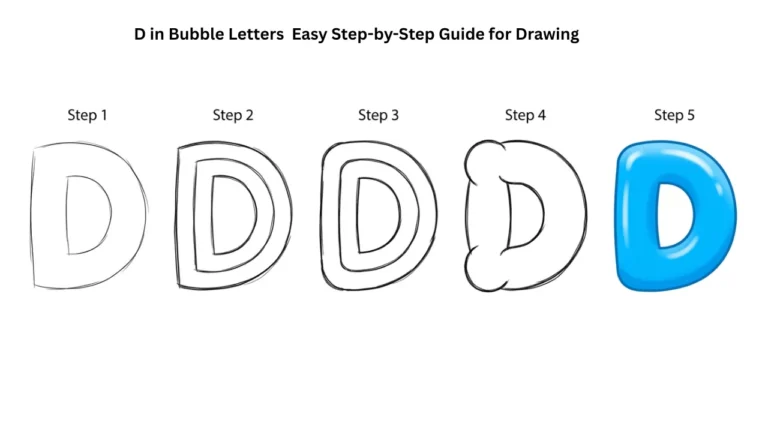
- Write in Cursive – Begin by writing the word in cursive using a pencil. Keep your strokes light and flowing.
- Outline the Letters – Draw a thick outline around each letter, following the natural curves of your handwriting.
- Add Bubble Effect – Round out the corners and expand the strokes slightly to give them a balloon-like appearance.
- Connect the Letters – Ensure each letter connects smoothly, maintaining that cursive flow.
- Erase the Inner Lines – Remove the original cursive lines to leave only the bold bubble outline.
- Add Color or Shadow – Use markers to fill in colors and add shadows for a 3D look.
Practicing this regularly helps you develop your unique style and confidence.
Digital Uses of Cursive Bubble Letters
In the modern digital age, cursive bubble letters have found their place in digital design. They are used in social media graphics, YouTube banners, online invitations, and brand logos. Designers often use them to convey friendliness, creativity, and personality.
Many apps and design tools even include cursive bubble fonts that mimic the hand-drawn style, making it easier for non-artists to create beautiful text art.
Tips for Perfecting Your Cursive Bubble Letters
To make your cursive bubble letters stand out, follow these simple tips:
- Keep the Flow – Don’t rush. Focus on smooth, connected strokes.
- Experiment with Thickness – Adjust the width of your outlines to find your preferred style.
- Use Color Wisely – Try gradients, pastels, or vibrant hues to bring your letters to life.
- Practice Letter Spacing – Consistent spacing keeps your words balanced and neat.
- Study Other Artists – Look at online examples for inspiration and technique ideas.
With patience and consistency, you’ll soon develop a personal lettering style that looks professional and polished.
Creative Project Ideas Using Cursive Bubble Letters
You can use cursive bubble letters for countless creative projects. Some popular ideas include:
- Personalized Notebooks – Add your name in stylish lettering on the cover.
- Wall Art – Create motivational quotes with bubble-style cursive.
- Event Decorations – Perfect for birthdays, weddings, or graduation signs.
- School Projects – Make titles and headings stand out beautifully.
- Digital Posts – Add a fun touch to Instagram, Pinterest, or YouTube content.
These projects not only look great but also help improve your artistic confidence.
Common Mistakes to Avoid
When learning cursive bubble letters, beginners often make small errors that affect the outcome. Here’s what to watch out for:
- Overcrowded Letters – Avoid drawing letters too close together.
- Uneven Thickness – Keep consistent outlines for a clean look.
- Sharp Corners – Remember, bubble letters should be smooth and round.
- Skipping Guidelines – Use light pencil lines to maintain alignment.
Avoiding these mistakes will give your artwork a more professional and cohesive finish.
Conclusion
Cursive bubble letters are more than just decorative writing—they’re a blend of elegance and creativity. They allow you to express yourself artistically while enhancing your handwriting skills. From traditional paper art to digital design, this style adds a personal and fun touch to everything you create.
With a few tools, patience, and consistent practice, anyone can master cursive bubble letters. So grab your pen or stylus, start practicing, and let your creativity flow across the page in beautiful, rounded curves.