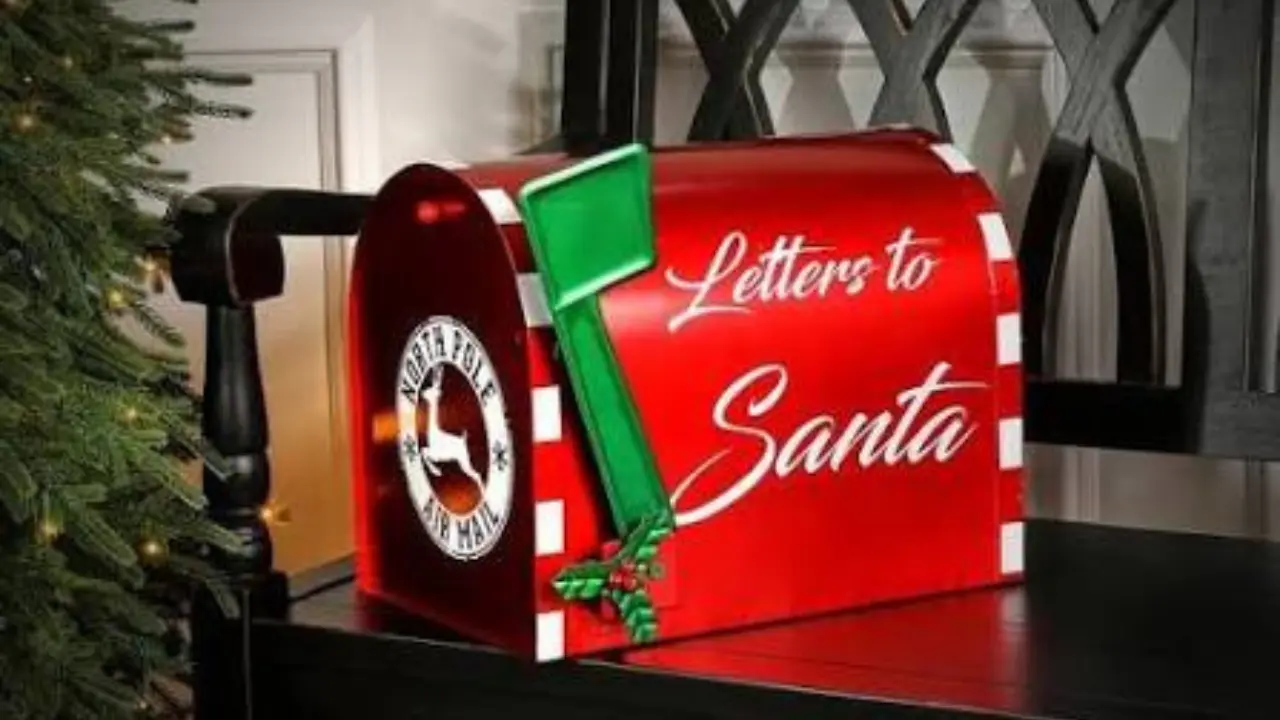
Letters To Santa Mailbox Hopes, Drawings, Thanks
A letters to Santa mailbox can be a home decoration, a community collection box, or a postal mailbox used to send a child’s note to Santa. The simplest option is to write a letter, place it in an envelope with a return address, add proper postage if it will be mailed, and use a regular mailbox. Special holiday mailboxes and reply programs may also be available in some places, but their dates and rules vary.
For many families, the point is not only whether a reply arrives. Writing to Santa gives children a chance to share wishes, reflect on the year, practice writing, and take part in a familiar holiday tradition.
What is a letters to Santa mailbox?
A letters to Santa mailbox is any designated place where children can leave or mail a letter intended for Santa Claus. It may be a decorative red mailbox at home, a collection box in a school or local business, or an ordinary postal mailbox.
Not all Santa mailboxes work the same way. A mailbox displayed for decoration may simply hold letters for a parent or caregiver to collect. A community mailbox may be part of a local event. A letter put into the postal system is handled according to the postal service’s procedures, so it needs a complete mailing address and postage.
Choose the right way to send the letter
The best choice depends on whether the family wants a private tradition, a possible mailed response, or a local holiday activity.
| Option | How it works | What to keep in mind |
|---|---|---|
| Home Santa mailbox | A child places a letter in a decorative box at home. | An adult can collect it and, if desired, write a reply. |
| Regular postal mailbox | The letter enters the mail system like any other piece of mail. | Use a deliverable address, return address, and correct postage. |
| Community or event mailbox | A school, library, shop, or town event collects letters. | Ask who runs it, whether letters receive replies, and the collection deadline. |
| Postal holiday program | A postal service may offer a seasonal Santa-letter activity. | Instructions, addresses, deadlines, and reply availability can change each year. |
How to mail a letter to Santa
To send a letter through the mail, treat it as regular mail unless an official holiday program says otherwise. This helps prevent a letter from being delayed or returned because key details are missing.
- Write the letter. A child can write independently, dictate to an adult, draw a picture, or use a combination of these.
- Put it in an envelope. Fold the letter so it fits without tearing or bulging the envelope.
- Include a complete return address. Put the child’s name and the household’s deliverable address in the return-address area. A reply cannot be sent without it.
- Use the address required by the program or postal service. Do not rely on an address printed on a decoration, social-media post, or unverified handout.
- Add postage if required. Postal mail generally needs the appropriate postage. Check locally if unsure.
- Mail it early. Holiday mail volume can be heavy, and programs often have deadlines well before late December.
Keep a photo or copy of the letter before mailing it. That preserves a sweet memory and helps if the original does not receive a response.
What to write in a Santa letter
A Santa letter does not need perfect spelling, long paragraphs, or a detailed wish list. The most memorable notes sound like the child who wrote them.
A simple structure makes it easier for young writers:
- A greeting, such as “Dear Santa,”
- The child’s name, age, or a little information about themselves
- Something they enjoyed, learned, or felt proud of this year
- A kind thought for family, friends, pets, or the community
- A short wish list, if they want to include one
- A closing and signature
Children can also add artwork, stickers, or a small photo only if a parent or caregiver is comfortable sharing it. Avoid sending cash, gift cards, valuables, or anything that makes the envelope unusually thick.
Prompts for children who are not sure what to say
- My favorite thing I did this year was…
- I helped someone by…
- I am thankful for…
- I hope someone else gets…
- One thing I would like to learn or try is…
- For the holidays, I would enjoy…
These prompts shift the activity away from a list of items and toward gratitude, kindness, and self-expression.
How to make a Santa mailbox at home
A home mailbox is a useful option when a family wants a reliable, low-pressure tradition. It also lets adults control when letters are collected and whether Santa sends a reply.
You can make one from a small box, tin, paper bag, or craft container. Choose a container with an opening large enough for folded paper, label it clearly, and place it somewhere dry and easy for children to reach. A slot cut into a cardboard box works well, but an adult should do any cutting.
Set a simple routine around it. For example, the mailbox can appear at the start of the holiday season, letters can be collected on a chosen evening, and a reply can arrive the next morning or closer to a family celebration. There is no need to present it as an official postal service; it can simply be part of the household’s holiday play.
Ideas that make the tradition more meaningful
- Put blank paper, crayons, and envelopes beside the mailbox.
- Invite children to write thank-you notes or kind messages as well as wish lists.
- Have siblings make cards for each other.
- Save letters in a dated folder or keepsake box each year.
- Write a brief reply that recognizes effort, kindness, or a special memory from the year.
Tips for writing a reply from Santa
A reply can be short and still feel special. Use warm, encouraging language and avoid promises about gifts, travel, or events that a family cannot guarantee.
It can help to mention one specific, positive detail from the child’s letter: a hobby, a kind act, a new skill, or something they are looking forward to. Keep comparisons between siblings out of the note. If a child asked for an expensive or unavailable item, focus on appreciation and excitement for the season rather than confirming that request.
Some families use a different pen color, festive stationery, or a simple hand-drawn symbol. Those details can be fun, but the caring message matters more than an elaborate design.
Privacy and safety when using community mailboxes
Use care with any letter placed in a public Santa mailbox. A child’s full name, home address, phone number, school name, daily routine, or personal contact details should not be shared unless a trusted organizer clearly explains why the information is needed and how it will be handled.
If a return address is required for a mailed response, a parent or caregiver should decide whether to provide it and should use only a program run through a verified postal service or a trusted local organization. Ask where letters go, who can read them, whether they are stored, and how replies are sent. A decorative box in a business is not automatically connected to an official Santa program.
Cute Bubble Letters Easy Step-by-Step Guide for Beginners
Parents and caregivers should also supervise online Santa-letter forms. Read the privacy information before entering identifying details or uploading photos.
Plan for deadlines and delivery
There is no universal deadline for Santa letters. Postal services, schools, libraries, charities, and local businesses set their own schedules, and holiday mail handling can change from year to year.
For a letter that must travel through the mail or receive a response, send it well before the holiday rush. Confirm current instructions directly with the postal service or organization running the program. If timing is tight, a home letters to Santa mailbox can preserve the tradition without depending on delivery schedules.
Alphabet Bubble Letters Easy Steps, Styles & Tips for Beginners
Frequently asked questions
Can I put a Santa letter in a regular mailbox?
Yes, if it is addressed for delivery, includes a return address, and has the required postage. Use the current instructions for the postal service or any official holiday program you plan to use.
Will Santa reply to every letter?
No reply can be guaranteed. Some seasonal programs may send responses when their instructions and deadlines are followed, while other letters may not receive one. A home reply is the most dependable option.
Do Santa letters need postage?
A letter sent through the regular postal system usually needs postage. A letter placed in a home or event mailbox may not, unless the organizer says it will be mailed.
What age is appropriate for writing to Santa?
Children of many ages can enjoy it. Younger children may draw pictures or dictate their words, while older children can write independently or help create a family letter.
What should not go in a Santa letter?
Do not include money, valuables, passwords, or unnecessary personal details. For public collection boxes and online forms, avoid sharing identifying information unless it is needed for a trusted, verified program.
Conclusion
A letters to Santa mailbox gives children a simple place to put hopes, drawings, thanks, and holiday excitement into words. Whether the letter goes through the postal system, into a community collection box, or into a handmade mailbox at home, a clear plan, safe handling of personal details, and realistic expectations make the activity more enjoyable. The letter itself can become a keepsake long after the season has passed.