Master Bubble Letters Lowercase Easy Fun & Eye Catching Styles
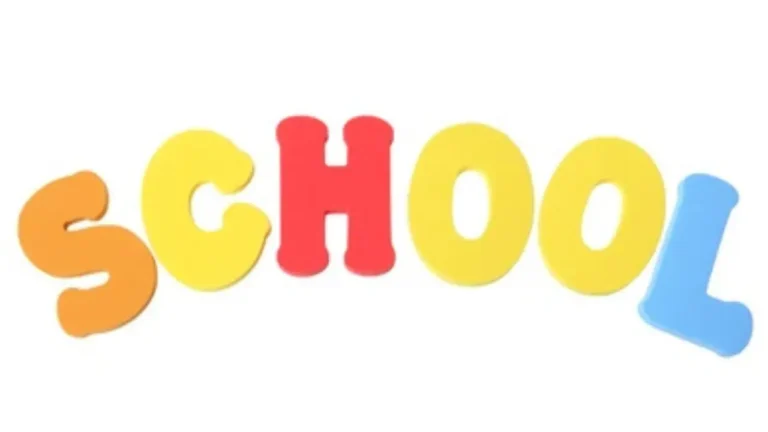
Bubble letters lowercase are one of the most fun and expressive ways to add personality to your writing, artwork, or design projects. These thick, rounded, inflated-style letters carry a charm that uppercase versions simply can’t match — they feel friendlier, softer, and more approachable. You’ll spot them everywhere, from graffiti walls and hand-lettered posters to school projects, greeting cards, and digital illustrations.
While uppercase bubble letters demand attention with their bold presence, bubble letter lowercase bring a relaxed, playful energy that works beautifully for casual designs, personalized gifts, and creative lettering practice.
Need To Know: Bubble Letters Styles, History, and Tips
What Are Bubble Letters Lowercase?
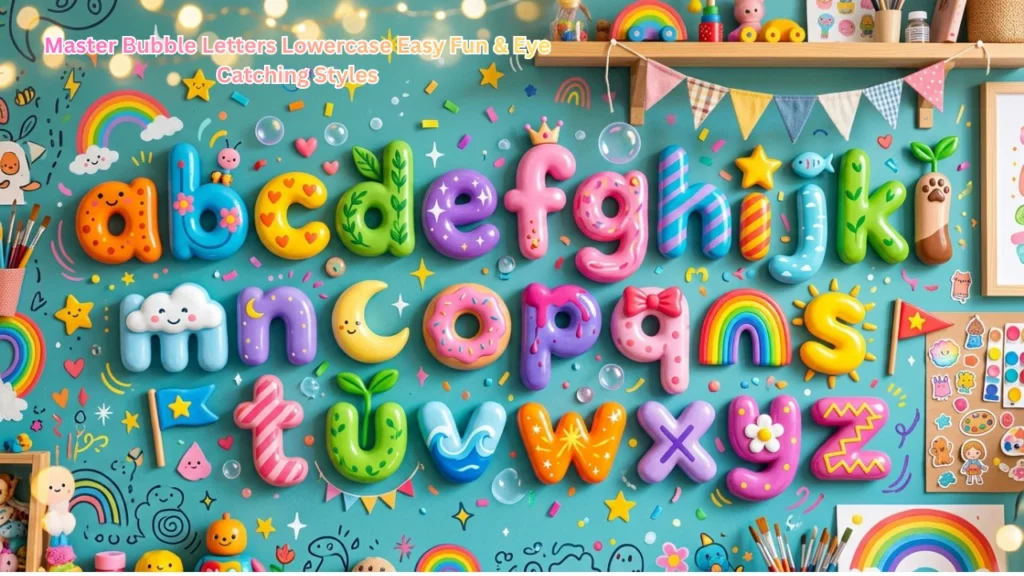
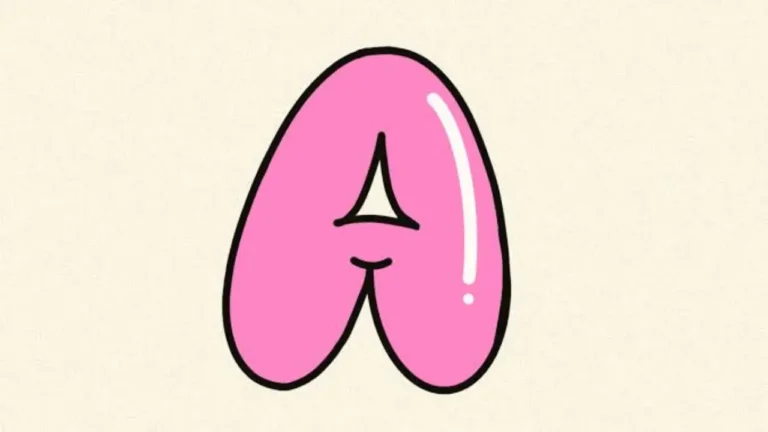
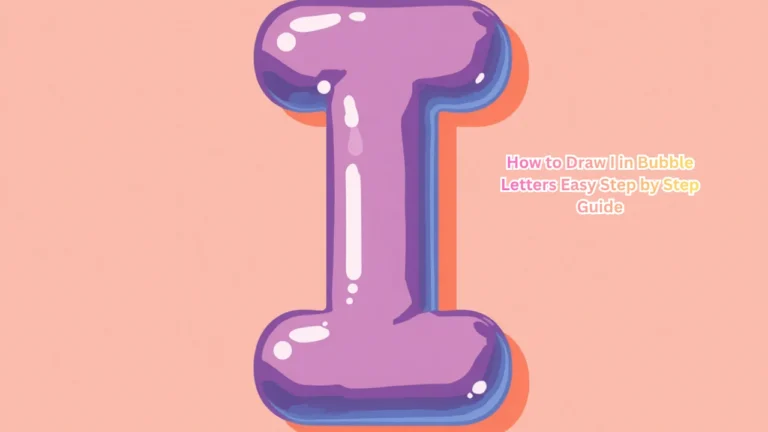
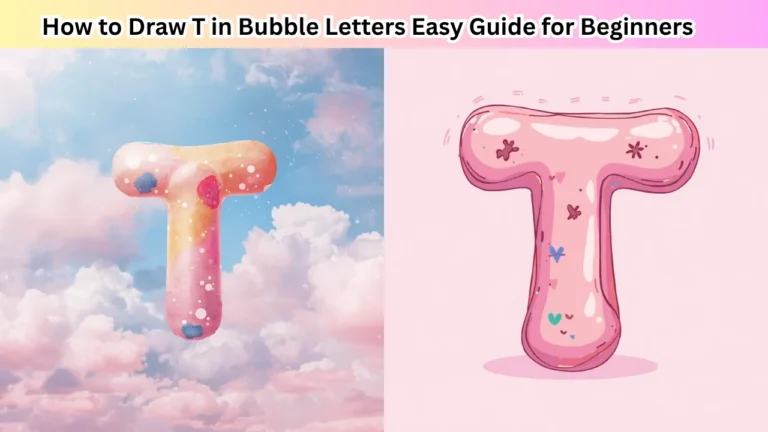
Bubble letter lowercase are alphabet letters drawn with thick, rounded edges, making them look as if they’re inflated like bubbles. Each letter is outlined with curves instead of sharp corners. The style often gives a three-dimensional feel, making your words pop off the page.
These letters are especially popular among artists, students, and digital creators because they are easy to read and visually appealing. Whether used in graffiti, school headings, or logo design, lowercase bubble letters add charm and creativity.
History and Popularity
The origins of bubble letters lowercase can be traced back to graffiti culture in the 1970s and 1980s. Artists used this style because it was easy to draw quickly with spray paint while maintaining visibility and flair. Over time, bubble letters became a staple in modern art, pop culture, and typography.
Why Use Bubble Letter Lowercase
Using bubble letter lowercase gives your designs a friendly and approachable tone. Unlike rigid fonts, bubble letters express creativity and individuality. Here are some reasons people love using them:
- Fun Aesthetic: Rounded shapes make the text look soft and welcoming.
- Versatility: Works well for posters, crafts, digital designs, or graffiti art.
- Readability: Lowercase bubble letters maintain legibility while adding style.
- Personalization: You can easily customize each letter with colors, patterns, and shadows.
From classroom chalkboards to professional design software, bubble letters bring a touch of playfulness that appeals to audiences of all ages.
How to Draw It
Creating bubble letter lowercase doesn’t require artistic talent—just patience and a few simple steps. Here’s an easy way to start:
- Write the base letter – Use a pencil to write a lowercase letter normally.
- Outline the shape – Draw a thick outline around the letter, following its curves closely.
- Round the corners – Smooth out sharp edges to make the letter look inflated.
- Erase the inner line – Remove the original letter inside your outline.
- Add depth or color – Fill your letters with color, shading, or highlights for a 3D effect.
For beginners, start with simple letters like “a,” “b,” and “c.” Once comfortable, you can experiment with shadows, gradient effects, and outlines to make your work stand out.
Tips for Perfecting
If you want your bubble letters lowercase to look professional, follow these tips:
- Keep spacing consistent between letters for balance.
- Use light pencil strokes first to make corrections easier.
- Experiment with colors such as pastels or bold neon tones for contrast.
- Add highlights on one side to create an illusion of lighting.
- Outline with black ink or markers for a clean finish.
Remember that bubble lettering is about creativity, not perfection. The imperfections often give it character and charm.
Digital Bubble Letters
In today’s digital era, bubble letters are not limited to paper. You can create them using graphic design tools like:
- Canva: Offers pre-made bubble text templates.
- Procreate: Allows artists to hand-draw bubble letters with brushes.
- Photoshop and Illustrator: Provide precise vector options for logos and posters.
- Online text generators: Instantly convert normal text into bubble-style fonts.
Digital tools make it easier to resize, color, and experiment with different textures—making them ideal for professional design work.
Creative Uses
You can use bubble letter lowercase in countless ways to make your projects more eye-catching. Some popular applications include:
- Classroom posters and educational materials for kids.
- Greeting cards and party invitations.
- Scrapbooks and journals.
- Digital banners for websites or social media.
- Graffiti art for walls and sketchbooks.
Designers and students alike use bubble letters to add a friendly, playful feel that stands out without being overly formal.
Customization and Color Ideas
Colour plays a big role in making bubble letter lowercase come alive. You can use soft tones for a cute look or bright contrasts for energy. Try these fun combinations:
- Pink and purple: for a girly, cheerful vibe.
- Blue and yellow: for contrast and positivity.
- Green and orange: for bold, energetic designs.
You can also experiment with patterns like stripes, stars, or polka dots inside each letter for added flair.
Bubble Letters in Education and Design
Teachers often use bubble letter lowercase in classrooms to make headings and bulletin boards more engaging. Kids find them exciting to read and easy to copy, encouraging creativity and fine motor skills.
In graphic design, bubble lettering is used to communicate friendliness and youthfulness. Brands in children’s products, snacks, or entertainment frequently adopt lowercase bubble fonts for their logos because they are inviting and memorable.
Practice Makes Perfect
Mastering bubble letter lowercase comes with consistent practice. Start by tracing printed templates, then move on to drawing freehand. Over time, your style will naturally improve, and you’ll develop unique variations of each letter.
Need To Know: Bubble Letters Alphabet A To Z
Conclusion
Bubble letters lowercase bring together creativity, simplicity, and charm in a way that few other lettering styles can. Whether you’re designing a poster, practicing graffiti art, personalizing a journal, or adding character to a digital project, these soft, rounded letters instantly make your work feel more inviting and alive. The best part is that this skill doesn’t take long to develop.