Happy Letters How to Write Warm, Uplifting Notes
Happy letters are personal notes written to share encouragement, gratitude, affection, celebration, or simple good wishes. They do not need to be long, poetic, or perfectly formatted. A few honest lines that show someone they are noticed and valued can be enough to make the message meaningful.
The phrase is not a fixed formal type of correspondence, so its meaning can vary. It may describe handwritten cards, cheerful emails, notes tucked into a lunch bag, messages to a pen pal, or letters sent to lift a person’s spirits. What matters most is the warmth and sincerity behind the words.
What makes a letter feel happy?
A happy letter creates a positive emotional connection. It gives the reader something specific to hold onto: a kind memory, recognition of an effort, a hopeful thought, or a reminder that someone cares.
The strongest notes usually sound like the writer. Rather than trying to make every sentence impressive, use clear language and a natural tone. Specific details tend to mean more than broad praise because they show the message was written for one person.
| Element | Why it helps | Example |
|---|---|---|
| Personal greeting | Creates an immediate sense of closeness | “Dear Maya,” or “Hi Grandpa,” |
| Specific detail | Shows genuine attention | “I still smile when I think about your garden in spring.” |
| Encouragement or appreciation | Gives the note its uplifting purpose | “I admire how patiently you kept going.” |
| Warm closing | Leaves the reader with care and connection | “Thinking of you,” or “With love,” |
When to send happy letters
There is no need to wait for a major occasion. In fact, an unexpected note can feel especially thoughtful because it is not tied to an obligation. A message can acknowledge a difficult week, celebrate a small win, or simply say that a person came to mind.
- To thank someone for their help, time, or kindness
- To encourage a friend facing a challenge or change
- To congratulate someone on a personal achievement
- To stay connected with relatives, friends, or pen pals far away
- To mark a birthday, holiday, graduation, new home, or new job
- To remind a child, partner, teacher, colleague, or neighbor that they are appreciated
- To offer comfort without trying to solve someone’s problem
A happy note does not have to ignore hard circumstances. When someone is grieving, ill, stressed, or disappointed, cheerful language can feel out of place if it dismisses what they are going through. In those moments, warmth often means acknowledging the difficulty and offering steady support.
Cute Bubble Letters Easy Step-by-Step Guide for Beginners
How to write a happy letter step by step
Start with the person, not with pressure to produce a perfect letter. Think about what you genuinely want them to know after they finish reading.
- Choose one clear purpose. Decide whether you are writing to thank, encourage, celebrate, reconnect, or comfort. A focused note is easier to write and easier to receive.
- Open naturally. Use the greeting you would normally use with that person. Formal wording is fine when appropriate, but it is not required for sincerity.
- Name the reason for writing. Say why they are on your mind. This can be as simple as, “I wanted to tell you how much I appreciated your help last week.”
- Add a real detail. Mention a shared memory, a quality you respect, or something they did. Specificity turns a pleasant message into a personal one.
- Write the heart of the message. Express your gratitude, admiration, affection, or hope plainly. Do not assume the reader already knows.
- Close with warmth. End with a fitting sign-off and your name. If you promise to call, visit, or write again, make only promises you expect to keep.
For a short card or note, three parts are enough: a greeting, one sincere thought, and a closing. Longer letters can include a story, several memories, or an update from your life, but length alone does not make a message more meaningful.
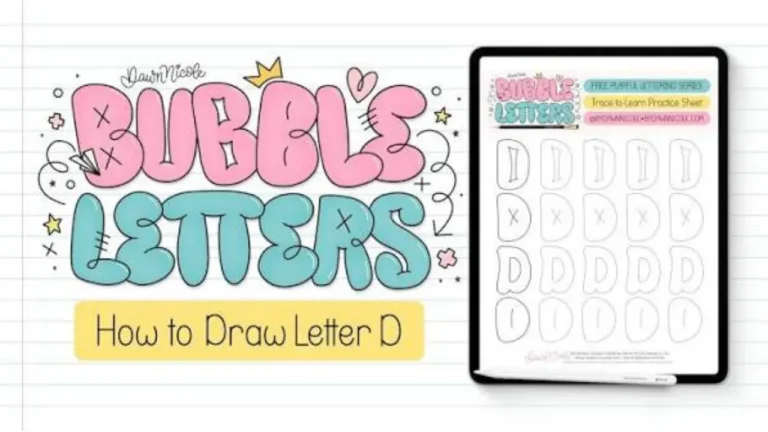
Alphabet Bubble Letters Easy Steps, Styles & Tips for Beginners
Simple ideas for what to say
Writer’s block often comes from trying to say everything at once. Use one of these starting points, then change the wording so it sounds like you.
- “I have been thinking about how grateful I am for your kindness when…”
- “One thing I appreciate about you is…”
- “I hope you remember that you are capable of…”
- “You made a difference to me when…”
- “I wanted to celebrate you because…”
- “A memory that always makes me happy is…”
- “I know things have been hard lately. I am here, and I am thinking of you.”
A thank-you note
“Dear Sam, thank you for taking the time to help me settle into my new role. Your calm advice made the first few weeks much less overwhelming. I am lucky to have your support. Warmly, Jordan.”
An encouragement note
“Hi Lena, I know you have put a great deal of effort into this. Whatever happens next, I hope you are proud of the persistence and care you brought to it. I believe in you. With love, Aunt Rosa.”
A just-because message
“Dear Noor, I passed the café where we used to meet and remembered how easily you made everyone laugh. I hope this week brings you a small reason to smile. Thinking of you, Priya.”
These examples work because they are brief, direct, and personal. Replace the general details with memories and observations that belong to your own relationship.
Handwritten, printed, or digital: choosing the format
The best format is the one that fits the person and the situation. A handwritten letter may feel lasting and intimate, while a text or email can deliver encouragement quickly. The care in the message matters more than the medium.
| Format | Best suited to | Useful consideration |
|---|---|---|
| Handwritten letter or card | Milestones, gratitude, close relationships, keepsakes | Allow time for delivery and make the writing easy to read. |
| Printed note | Longer messages or accessible, neat presentation | A handwritten signature or short personal line can add warmth. |
| Long-distance connections and timely encouragement | Use a clear subject line and keep the message focused. | |
| Text or messaging app | Quick support and everyday appreciation | Short messages can be powerful; avoid expecting an immediate reply. |
For children, colorful paper, drawings, stickers, or a small enclosed photo can make letter writing feel playful. For an older relative or anyone who may have trouble reading small print, choose high-contrast ink, larger handwriting, and a simple layout.
Common mistakes to avoid
A happy letter should not feel like a performance, a demand, or an attempt to control the reader’s feelings. A few small choices can make the message more considerate.
- Keeping it vague: “You are amazing” is kind, but a reason makes it more believable and memorable.
- Making it about yourself: Share news if it supports the connection, but keep the central purpose clear.
- Forcing positivity: Do not tell someone to “cheer up” or imply they should be grateful for a painful situation.
- Overpromising: Avoid saying “I will always be available” unless you can realistically offer that level of support.
- Adding pressure to reply: A note of care should be a gift, not another task. “No need to respond” can be helpful when someone is busy or struggling.
- Delaying until it is perfect: A sincere, imperfect note sent today usually means more than a flawless one never mailed.
Making letter writing a sustainable habit
Happy letters are easier to write when they become a small routine rather than a rare, high-pressure event. Keep a few blank cards, envelopes, and stamps in one place, or save a simple email draft for moments when you want to reach out.
You might write one note each month, send messages after meaningful conversations, or keep a list of people you want to thank. Record details soon after they happen: a generous act, a funny moment, a goal someone reached. Those small observations become useful material when you sit down to write.
Do not treat letter writing as a transaction. The purpose is not to earn a response or prove closeness. It is a way to express care in a form the other person can reread when they need it.
FAQs about happy letters
How long should a happy letter be?
It can be as short as a few sentences. Write enough to make your purpose clear and personal. A brief note with one specific detail often has more impact than a page of general compliments.
What should I write to someone who is having a hard time?
Acknowledge that things may be difficult, express care, and offer realistic support. For example: “I am sorry this is such a heavy time. I am thinking of you, and I am here to listen whenever you want to talk.”
Can a digital message count as a happy letter?
Yes. An email, message, or digital card can carry the same warmth as paper correspondence. The message becomes meaningful through thoughtfulness, not through the delivery method.
Should I use funny stories in an uplifting note?
Use humor when you know it will be welcome. A shared funny memory can create warmth, but avoid jokes that might embarrass the reader or make light of a serious situation.
What if I do not know the person very well?
Keep the note simple and appropriate to the relationship. Thank them for a specific action, congratulate them on a clear achievement, or offer a brief good wish. Sincerity does not require intense personal disclosure.
Conclusion
Happy letters are not defined by fancy stationery or perfect phrasing. They are thoughtful messages that make another person feel remembered, appreciated, encouraged, or connected. Choose one honest idea, add a detail that could only come from you, and send it. That simple act can become a bright part of someone’s day.