H Bubble Letters Drawing, Creative And Designs
Bubble lettering is a popular artistic technique that transforms ordinary alphabet characters into attractive, rounded designs. Whether you are a beginner or an experienced artist, h bubble letters provide an excellent opportunity to explore creative typography. Their bold shapes, smooth curves, and playful appearance make them suitable for numerous artistic projects.
People use bubble lettering for school assignments, greeting cards, posters, decorations, and digital artwork. This lettering technique requires minimal materials and allows artists to experiment with different colors and patterns.
This comprehensive guide explains drawing techniques, popular styles, creative applications, and practical tips for improving your bubble lettering skills.
What Are H Bubble Letters?
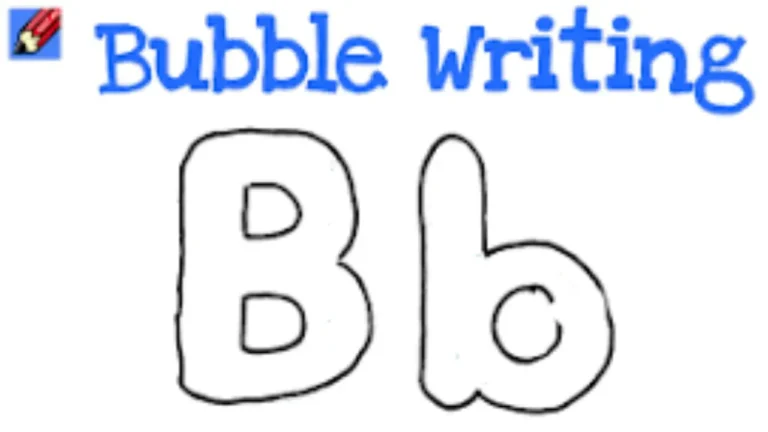
Bubble letters are stylized alphabet characters featuring thick outlines, rounded corners, and spacious interiors. Their inflated appearance resembles balloons or bubbles, making them visually appealing.
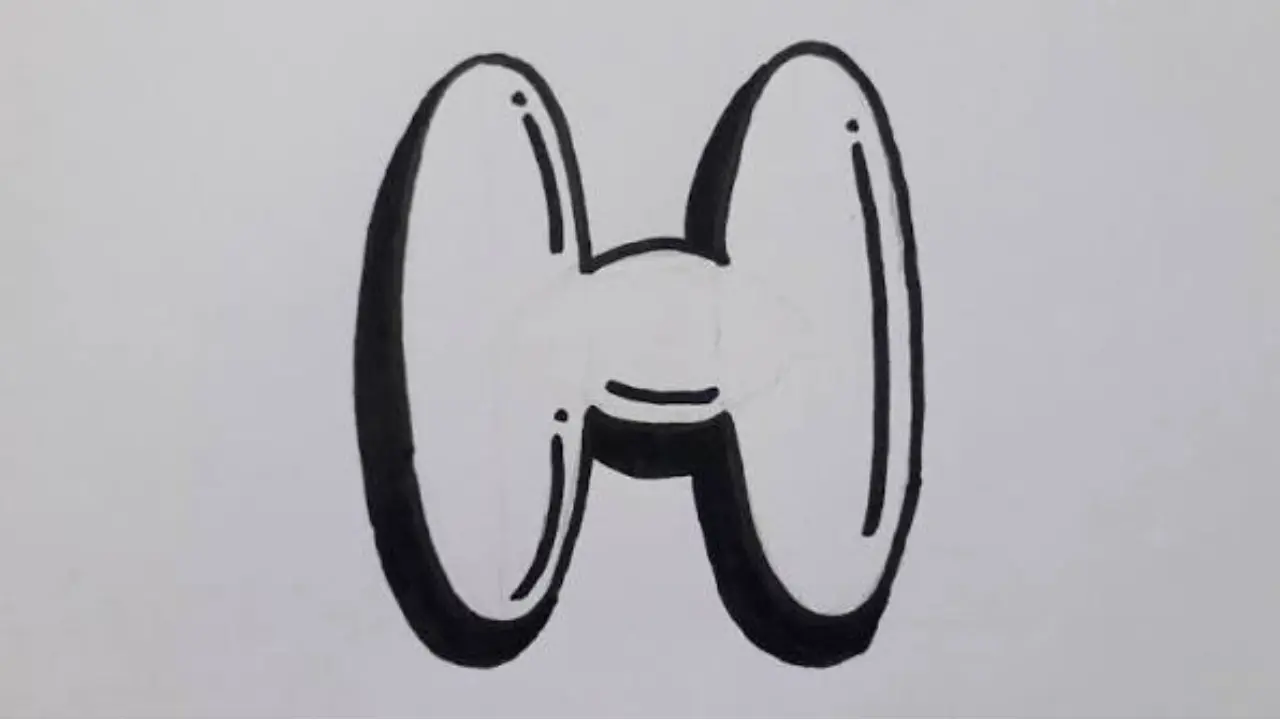
The letter H consists of two vertical sections connected by a horizontal bar. Artists expand these sections and soften their edges to create a bubble effect.
Both uppercase and lowercase versions offer different creative possibilities. Artists can customize their designs with shadows, gradients, decorative patterns, and vibrant colors.
Unlike traditional handwriting, bubble lettering focuses on artistic expression rather than standard letter formation.
Why Are Bubble Letters So Popular?
Bubble lettering remains popular because it combines simplicity with creativity. People of different ages can learn this artistic technique without professional training.
Children enjoy drawing rounded letters because they provide entertaining coloring opportunities. Teachers also incorporate bubble lettering into educational activities to improve alphabet recognition.
Graphic designers use this lettering style to create playful and memorable visual content. Its bold appearance attracts attention and makes important messages stand out.
Additionally, bubble lettering allows individuals to develop their artistic abilities while enjoying a relaxing creative activity.
Cute Bubble Letters Easy Step-by-Step Guide for Beginners
Materials Needed to Draw Bubble Letters
You do not need expensive equipment to create beautiful bubble lettering. Basic drawing supplies can help you achieve impressive results.
| Material | Purpose |
|---|---|
| Pencil | Creating initial sketches |
| Eraser | Removing unwanted guidelines |
| Drawing paper | Providing a smooth drawing surface |
| Black marker | Creating bold outlines |
| Colored pencils | Adding colors and shading |
| Crayons | Decorating simple designs |
| Ruler | Maintaining balanced proportions |
| Gel pens | Adding highlights and details |
Beginners should start with pencils and paper before experimenting with advanced drawing tools. Quality materials can improve the appearance of finished artwork.
How to Draw H Bubble Letters Step by Step
Learning bubble lettering becomes easier when you follow a structured drawing process. The following steps help beginners create clean and attractive designs.
Draw a Basic Letter H
Start by drawing a regular uppercase H using light pencil strokes. Maintain equal spacing between both vertical lines.
The original letter provides a foundation for creating the rounded design.
Expand the Letter
Draw additional lines around the original structure. Make both vertical sections thicker and maintain consistent proportions.
Leave enough space inside the letter for coloring and decorations.
Round the Corners
Replace sharp corners with smooth curves. Rounded edges create the characteristic inflated appearance of bubble lettering.
Avoid uneven curves that could affect the overall balance.
Remove Extra Guidelines
Carefully erase the original pencil lines inside the letter. Keep the outer shape clean and clearly defined.
Use a black marker to strengthen the final outline.
Decorate Your Letter
Fill the letter with your favorite colors or patterns. Add highlights and shadows to create a more attractive design.
Experiment with different decorations to develop your unique artistic style.
Alphabet Bubble Letters Easy Steps, Styles & Tips for Beginners
Different Styles of Bubble Letter H
One of the biggest advantages of h bubble letters is their versatility. Artists can choose from several lettering styles depending on their creative goals.
Classic Bubble Letters
Classic bubble lettering features smooth curves and simple outlines. This style works well for beginners and educational activities.
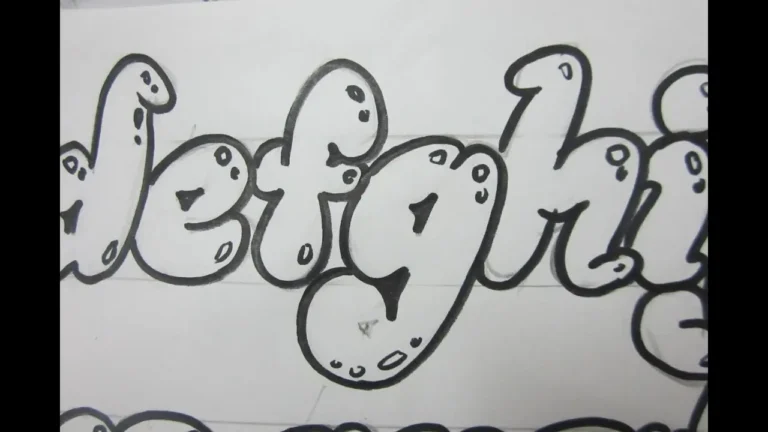
Graffiti Bubble Letters
Graffiti lettering includes exaggerated shapes, bold outlines, and expressive decorations. Artists frequently use bright colors to create energetic designs.
Cartoon Bubble Letters
Cartoon lettering features playful shapes and exaggerated proportions. It works particularly well for children’s books, party invitations, and classroom decorations.
Three-Dimensional Bubble Letters
Three-dimensional lettering uses shadows and extended outlines to create visual depth. This technique makes letters appear raised from the drawing surface.
Decorative Bubble Letters
Decorative lettering includes stars, flowers, hearts, dots, and other artistic elements. These designs are ideal for personalized gifts and special occasions.
Uppercase and Lowercase Bubble Letter H
Uppercase and lowercase bubble letters offer different visual characteristics. Understanding these differences helps artists create more balanced typography.
The uppercase H features two vertical sections connected by a horizontal bar. Its symmetrical structure makes it relatively easy to draw.
The lowercase h features a tall stem and a rounded arch. Artists can experiment with different curves to create a softer appearance.
Both versions work well in alphabet worksheets, personalized names, creative journals, and decorative artwork.
Combining uppercase and lowercase characters can also create interesting visual contrasts.
How to Create 3D H Bubble Letters
Three-dimensional bubble lettering adds depth and visual interest to simple alphabet designs. This technique requires careful attention to lighting and perspective.
Begin by drawing a standard bubble letter. Extend short diagonal lines from selected corners in the same direction.
Connect these lines to create additional surfaces behind the original letter. Apply darker colors to these surfaces to establish depth.
Use lighter shades on the front surface and add white highlights where light would naturally appear.
Consistent shading creates a realistic three-dimensional effect and improves the overall quality of your artwork.
Best Color Combinations for Bubble Letter Designs
Colors significantly influence the appearance of bubble lettering. Selecting complementary shades can make your artwork more attractive and professional.
| Color Combination | Visual Effect |
|---|---|
| Blue and white | Fresh and clean |
| Pink and purple | Playful and creative |
| Red and yellow | Bright and energetic |
| Black and gold | Elegant and luxurious |
| Green and blue | Natural and relaxing |
| Orange and purple | Bold and artistic |
| Rainbow colors | Cheerful and vibrant |
Artists can also experiment with pastel shades, neon colors, and gradient effects. Choosing colors according to the project’s theme creates better visual consistency.
Creative Uses of H Bubble Letters
Bubble lettering offers numerous practical applications beyond traditional drawing. Its attractive appearance makes it suitable for personal, educational, and professional projects.
Students can use bubble lettering to decorate notebooks, project covers, and classroom displays. Teachers can create engaging alphabet learning materials.
Parents can prepare coloring activities that encourage children to explore letters and colors. Artists can incorporate bubble typography into posters and handmade decorations.
Businesses may also use playful lettering for promotional materials targeting younger audiences.
Other creative applications include birthday banners, personalized stickers, scrapbooks, greeting cards, and customized clothing designs.
Bubble Letter H Coloring Pages
Coloring pages provide an enjoyable way to practice bubble lettering. Large outlines give children and beginners plenty of space to experiment with colors.
Printable alphabet worksheets can support letter recognition and improve fine motor skills. Children can practice staying within outlines while exploring different color combinations.
Adults can also enjoy bubble letter coloring as a relaxing artistic activity. Adding intricate patterns creates more challenging and engaging designs.
These coloring pages are particularly useful for classroom projects, homeschooling activities, and recreational learning.
Digital Bubble Letter Designing
Modern technology allows artists to create bubble lettering without traditional drawing materials. Digital design tools provide flexible options for customizing alphabet characters.
Artists can adjust letter thickness, outline colors, gradients, and shadows using digital editing software.
Digital artwork also allows users to correct mistakes without damaging their original designs. They can resize letters and experiment with multiple styles quickly.
Finished designs can be used for social media graphics, digital invitations, printable worksheets, and customized merchandise.
Common Mistakes to Avoid When Drawing Bubble Letters
Beginners often make simple mistakes that affect the appearance of their lettering. Recognizing these problems helps improve drawing accuracy.
Uneven outlines can make letters appear unbalanced. Maintaining consistent thickness creates a cleaner and more professional design.
Sharp corners reduce the rounded appearance associated with bubble lettering. Excessive decorations can also make letters difficult to recognize.
Another common mistake involves applying shadows in different directions. Consistent lighting helps maintain a realistic appearance.
Regular practice and careful observation can gradually improve your lettering skills.
Benefits of Learning Bubble Lettering
Practicing h bubble letters can provide several artistic and educational benefits. This activity encourages individuals to explore creative ideas and develop drawing confidence.
Children can improve hand-eye coordination while practicing different shapes. Students can strengthen their understanding of alphabet structures.
Bubble lettering also encourages experimentation with colors, patterns, and proportions. These skills can support more advanced artistic activities.
Additionally, drawing provides an enjoyable opportunity to relax and express personal creativity.
Tips for Creating Professional Bubble Letter Designs
Creating attractive bubble lettering requires patience, consistency, and attention to detail.
Start with light pencil sketches and gradually refine your outlines. Maintain balanced proportions and smooth curves throughout the design.
Experiment with different line thicknesses to create interesting visual effects. Use complementary colors and consistent shading techniques.
Practice drawing uppercase and lowercase letters regularly. Over time, you can develop a recognizable lettering style that reflects your artistic preferences.
Frequently Asked Questions
Are bubble letters easy to draw?
Yes, bubble letters are relatively easy to draw. Beginners can create attractive designs by following basic outlining and rounding techniques.
What materials are best for bubble lettering?
Pencils, erasers, markers, and colored pencils are suitable for most bubble lettering projects.
Can children learn bubble lettering?
Yes, bubble lettering provides an entertaining educational activity that helps children practice alphabet recognition and drawing skills.
Can I create bubble letters digitally?
Yes, digital drawing applications and graphic design software allow users to create customizable bubble lettering.
How can I make bubble letters look realistic?
Add consistent shadows, gradients, and highlights to create depth and a realistic inflated appearance.
Conclusion
Learning to draw h bubble letters is an enjoyable way to explore typography and artistic creativity. Their rounded shapes, bold outlines, and decorative possibilities make them suitable for countless projects.
Whether you prefer classic lettering, graffiti designs, or three-dimensional artwork, regular practice can improve your skills. Start with simple shapes, experiment with colors, and gradually develop more advanced techniques.