Graffiti Bubble Letters
Graffiti bubble letters are one of the most iconic and recognizable styles in street art. Known for their bold, rounded shapes and colorful designs, they have become a powerful form of creative self-expression. Artists use this lettering style to make words pop, grab attention, and showcase individuality. From subway walls to sketchbooks, bubble letters represent freedom, rebellion, and creativity.
Bubble Letters Styles, History, and Tips
What Are Graffiti Bubble Letters?
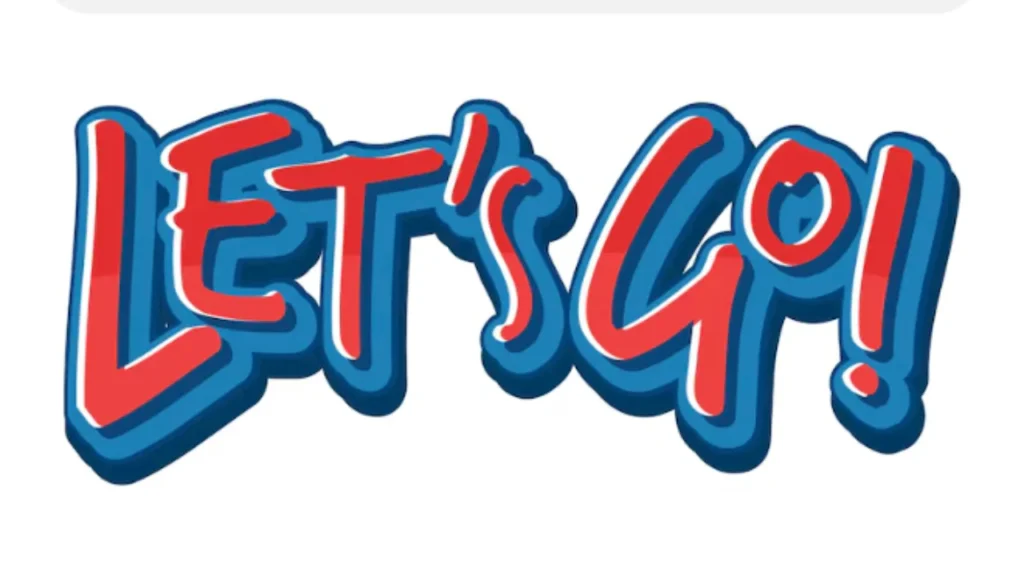
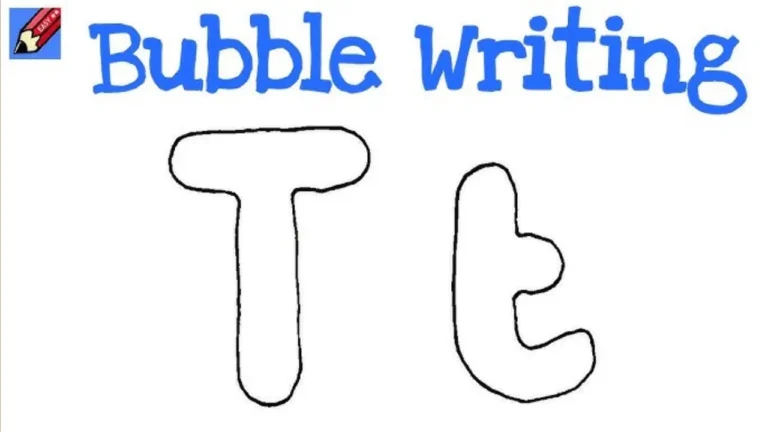
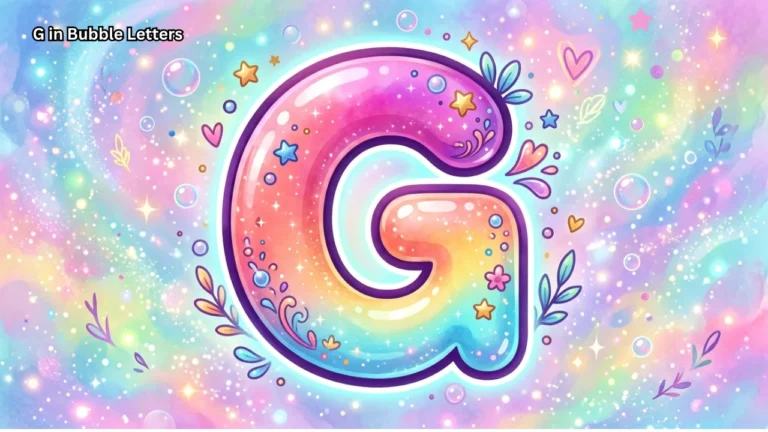
Graffiti bubble letters are large, rounded, and inflated-looking letters that resemble bubbles. This style often features thick outlines, vibrant colors, and shading to create a three-dimensional effect. Unlike traditional fonts, bubble letters are playful, dynamic, and full of character.
Artists typically use them to make names, tags, or short words stand out. The letters can be soft and curvy or bold and blocky, depending on the artist’s taste. This form of graffiti lettering is one of the easiest styles for beginners because of its simplicity and visual impact.
History and Origin of Bubble Letter Graffiti
The story of graffiti bubble letters began in the early 1970s in New York City. During that time, graffiti art started appearing on subway cars and walls as a way for artists to express their identity and creativity. Early graffiti writers like Phase 2 are credited with developing the bubble style to make their tags more visible and stylish.
Bubble letters quickly became popular because they could be read easily from a distance and looked bold on walls. Over time, this style evolved into countless variations—each artist adding unique flair through colors, highlights, and effects.
By the 1980s, bubble letters had spread worldwide, becoming a defining symbol of hip-hop and urban culture. Today, they are used not only in graffiti but also in digital design, fashion, and advertising.
The Elements of Bubble Letter Design
Creating graffiti bubble letters involves several artistic elements that make each piece stand out. These include:
- Shape: The letters are soft, round, and often overlap each other.
- Outline: A thick black or colored border gives structure and definition.
- Fill: Artists use bright colors or patterns to make the design eye-catching.
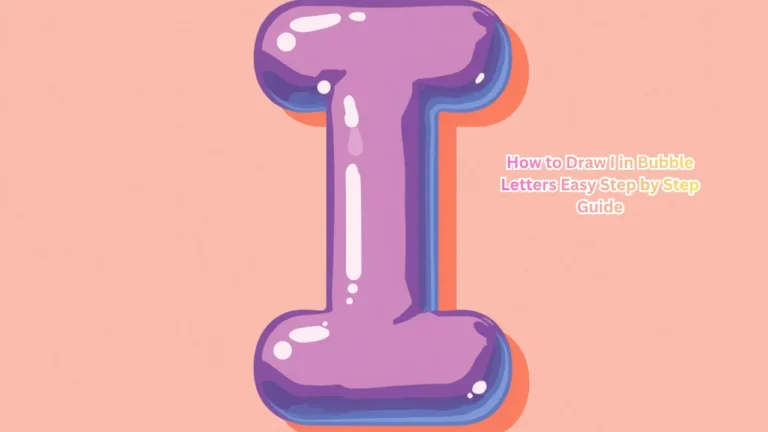
- Shadowing: Adding shadows gives the letters a 3D effect and depth.
- Highlights: White streaks or sparkles make the artwork appear shiny and lively.
Each element adds personality to the artwork, allowing artists to experiment with different looks and textures.
How to Draw Graffiti Bubble Letters
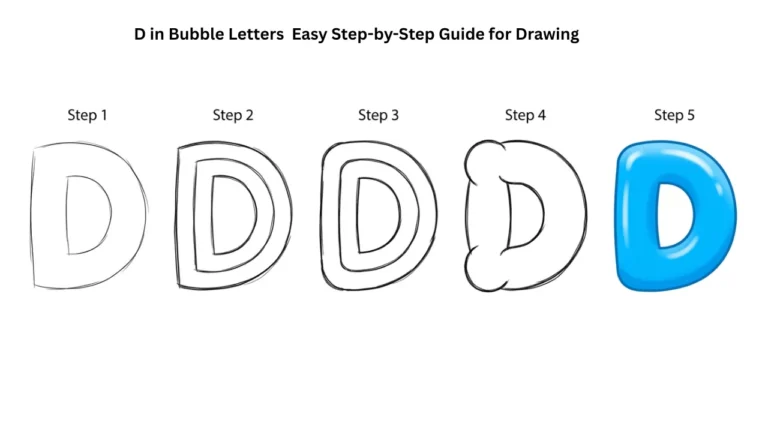
Learning to draw graffiti bubble letters is fun and easy, even for beginners. Follow these steps to start creating your own designs:
Step 1: Write the Word
Start with a simple word in pencil using plain block letters. This will serve as your guide.
Step 2: Inflate the Letters
Around each block letter, draw a soft, round outline. Make sure the edges are curved and smooth so they resemble bubbles.
Step 3: Add Outlines
Trace the inflated shapes with a darker line. This creates a clean, bold outline that defines each letter.
Step 4: Fill with Color
Use bright, contrasting colors to fill in each letter. You can use markers, spray paint, or digital tools.
Step 5: Add Shadows and Highlights
To give your graffiti bubble letters depth, add darker tones on one side and lighter highlights on the opposite side.
Step 6: Final Touches
Add extra details such as drips, arrows, or sparkles to make the letters stand out even more.
With practice, you can create bubble letters that look professional and artistic.
Styles and Variations
There are many ways to style graffiti bubble letters, and artists often mix techniques to develop their unique identity. Some popular variations include:
- Classic Bubble: Rounded, simple, and easy to read.
- Wildstyle Bubble: Complex shapes with arrows, twists, and overlapping lines.
- 3D Bubble: Letters that appear to pop off the surface using perspective.
- Drip Bubble: Includes paint drips for a raw, street-style effect.
- Chrome Bubble: Shiny metallic colors that look reflective.
Each version carries its own energy and mood, allowing endless possibilities for creativity.
Tools and Materials for Bubble Letter Art
To create graffiti bubble letters, artists use different materials depending on where and how they work.
Common Tools:
| Tool | Purpose |
|---|---|
| Spray Paint | Used for outdoor murals or street art. |
| Markers and Paint Pens | Ideal for sketchbooks or indoor artwork. |
| Pencils and Erasers | Used for planning and outlining. |
| Digital Software (like Procreate or Photoshop) | For creating bubble letters digitally. |
Many artists also use stencils and rulers for precision, though freehand drawing gives the art a more authentic street feel.
Meaning and Symbolism in Bubble Letters
Beyond aesthetics, graffiti bubble letters often carry deep meaning. They can express identity, community, resistance, or positivity.
For many street artists, bubble letters became a voice for the voiceless—representing freedom of expression in urban environments where people felt ignored. Each design tells a story, whether it’s a personal name, a political message, or a tribute to someone important.
In modern times, bubble letters have also become symbols of creativity and inclusivity. Their rounded, friendly shapes invite connection and evoke a sense of fun.
Bubble Letters in Modern Culture
Graffiti bubble letters have moved beyond street walls into mainstream culture. Today, they appear in music videos, clothing brands, album covers, video games, and social media graphics.
Hip-hop culture played a major role in popularizing bubble letters. Logos of famous rap groups, breakdancing teams, and graffiti festivals often use this style because of its visual impact.
Designers also use digital bubble fonts to give projects an urban, playful feel. This crossover from the streets to digital platforms shows how bubble letters continue to inspire new generations.
Tips for Creating Your Own Style
If you want to stand out as a graffiti artist, developing your unique approach to graffiti bubble letters is key. Here are a few tips:
- Experiment with Colors: Try different combinations to see which best reflect your personality.
- Play with Layouts: Stack, curve, or twist the letters to create motion.
- Use Backgrounds: Add patterns or clouds behind the text for contrast.
- Practice Consistency: Keep your letter shapes uniform to maintain balance.
- Observe Other Artists: Study graffiti walls, books, or online galleries for inspiration—but always add your own twist.
Consistency and originality are what separate beginners from professionals in the graffiti world.
Common Mistakes to Avoid
When learning graffiti bubble letters, beginners often make a few common mistakes. Avoiding these can help improve your results:
- Uneven Letter Size: Keep all letters roughly the same height and width.
- Poor Spacing: Letters that are too close or far apart can ruin balance.
- Overcrowding Details: Simplicity often looks cleaner and more stylish.
- Weak Outlines: Always use strong, dark outlines for clarity.
- Ignoring Shadows: Without shading, letters may look flat and lifeless.
Correcting these issues early will help you master bubble lettering faster.
The Influence of Technology
With modern digital tools, artists can now design graffiti bubble letters on computers, tablets, and smartphones. Programs like Adobe Illustrator, Canva, and Procreate allow users to draw, color, and share their designs instantly.
This accessibility has opened doors for more people to explore graffiti art without needing walls or paint. Many digital artists now sell their bubble letter designs as prints, stickers, or online assets. Technology has turned street art into a global digital movement.
Why Graffiti Bubble Letters Stay Popular
The appeal of graffiti bubble letters lies in their boldness and simplicity. They combine readability, artistic freedom, and emotional energy all in one design. Unlike other art forms, bubble letters don’t require expensive tools—just imagination and practice.
Their universal shape also makes them appealing to people of all ages. Kids love them for doodling, while professionals use them for logos and design projects. Their playful, vibrant nature continues to attract artists worldwide.
Conclusion
Graffiti bubble letters are more than just art—they are a form of cultural expression that bridges generations. From their beginnings in New York’s streets to their presence in digital media, they symbolize creativity, rebellion, and individuality.
Whether drawn on a wall or screen, bubble letters continue to inspire artists and audiences around the world. If you’re new to graffiti, this style is a perfect place to start your journey. Grab a pencil, outline your letters, and let your imagination flow—because in the world of graffiti, your name and style tell your story.