Family in Bubble Letters Creative Ideas, Styles, and Easy Drawing
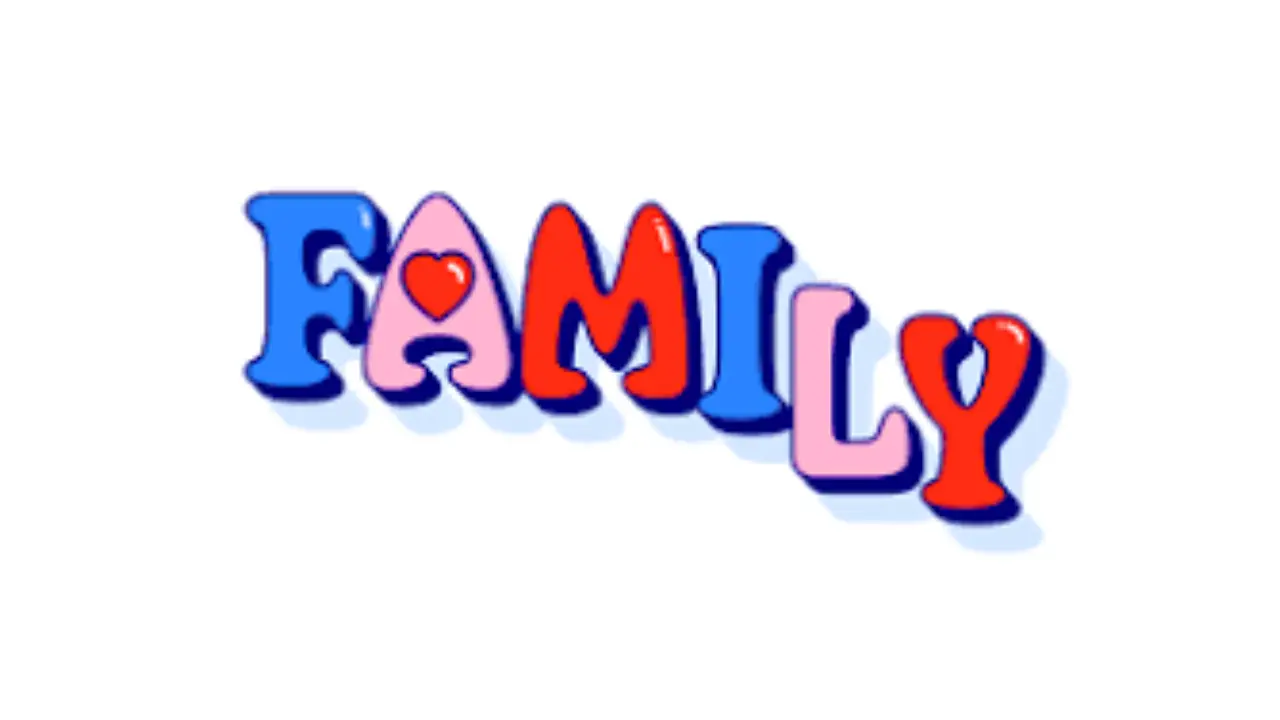
Writing family in bubble letters is a fun way to turn a meaningful word into colorful and creative artwork. Bubble lettering uses large, rounded shapes that make each letter look soft, bold, and playful. This style works well for posters, greeting cards, school projects, scrapbooks, wall art, and digital designs.
The word “family” carries a warm and personal meaning, so decorating it with bubble-style lettering can make a design feel even more special. You can keep the letters simple or add shadows, patterns, hearts, stars, flowers, and other decorative details. Both beginners and experienced artists can create attractive bubble lettering with only a few basic tools.
What Are Bubble Letters?
Bubble letters are large, rounded letters with thick outlines. Unlike normal handwriting, these letters often look inflated like balloons. Artists usually leave enough space inside each letter to add colors, patterns, highlights, or other creative details.
The style became popular in posters, graffiti-inspired artwork, notebooks, and handmade signs. Today, people also use bubble lettering in digital graphics, social media posts, printable worksheets, and personalized artwork.
Creating family in bubble letters combines this playful lettering style with a word that represents connection, love, and togetherness. The result can work as both decorative artwork and a meaningful personal design.
Cute Bubble Letters Easy Step-by-Step Guide for Beginners
Why Write Family in Bubble Letters?
The word “family” appears in many types of personal and creative projects. People may use it on family-tree posters, photo albums, birthday cards, home decorations, or handmade gifts.
Bubble letters make the word stand out because they create a strong visual shape. The rounded edges also give the design a friendly appearance. You can personalize every letter according to the people, occasion, or theme represented by the artwork.
For example, a child may use bright rainbow colors for a school project. A scrapbook designer may choose soft pastel shades. Someone creating wall art may use neutral colors that match the room.
How to Draw Family in Bubble Letters
Drawing family in bubble letters does not require advanced artistic skills. A pencil, eraser, black marker, and some coloring supplies are enough for a basic design.
Start by lightly writing the word “FAMILY” in large capital letters. Leave enough space between the letters because each one will become much thicker during the next step.
Draw a rounded outline around every pencil letter. Keep the curves smooth and avoid sharp corners when possible. Imagine that each original letter sits inside a soft balloon.
Once you have completed the outlines, erase the original pencil lines inside the shapes. You should now see six large bubble letters spelling FAMILY.
Trace the final outlines with a dark pen or marker. Let the ink dry before erasing any remaining pencil marks. This simple process creates a clean base that you can decorate in many different ways.
Alphabet Bubble Letters Easy Steps, Styles & Tips for Beginners
Choosing the Right Bubble Letter Style
Not every bubble-letter design needs to look the same. Small changes to the shape, width, spacing, and outline can create completely different results.
Classic bubble letters use thick, rounded shapes with simple outlines. This style is easy for beginners and works especially well for school projects and handmade cards.
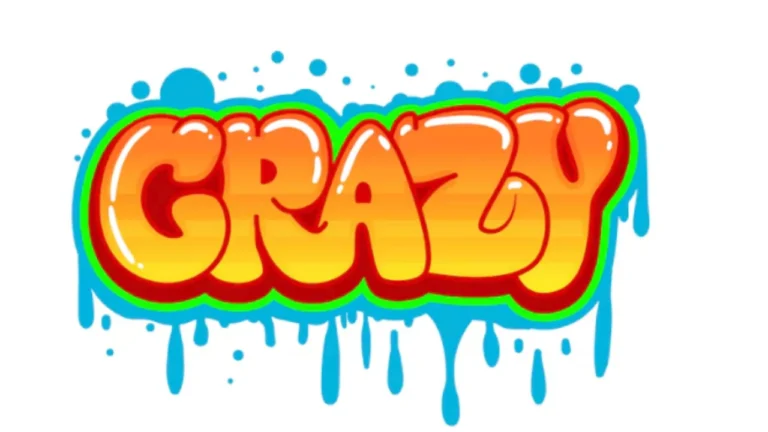
Graffiti-inspired bubble letters often overlap and use stronger outlines, shadows, and dramatic shapes. They can give the word FAMILY a bold street-art appearance without making it difficult to read.
Soft bubble lettering uses smooth curves and lighter colors. It works well for family scrapbooks, nursery decorations, photo frames, and sentimental gifts.
Three-dimensional letters add depth by using shadows along one side of each character. This effect makes the word appear to rise from the page.
Creative Ways to Color the Letters
Color can completely change the appearance of family in bubble letters. Before coloring, consider where you will use the artwork and what feeling you want the finished design to create.
Rainbow coloring gives each letter a different bright shade. It creates a cheerful appearance that works well for children’s artwork and classroom projects.
A gradient moves gradually from one shade into another. For example, dark blue can fade into light blue from the bottom toward the top of each letter. Colored pencils and markers both work well for this effect.
You can also fill each letter with a pattern instead of one solid color. Stripes, dots, small hearts, flowers, stars, checks, and zigzag lines can make a simple design more interesting.
| Coloring Style | Visual Effect | Good For |
|---|---|---|
| Rainbow | Bright and playful | School projects |
| Pastel | Soft and calm | Scrapbooks and cards |
| Gradient | Modern and polished | Digital and poster art |
| Patterned | Creative and detailed | Personalized artwork |
| Black and white | Simple and bold | Printable coloring pages |
Adding Shadows and 3D Effects
A shadow can make simple bubble lettering appear more professional. You do not need complex drawing techniques to create this effect.
First, choose one direction for the imaginary light source. If the light comes from the upper left, place the shadow along the lower-right edges of every letter. Keep the shadow direction consistent throughout the word.
For a simple 3D effect, draw a second line slightly behind each bubble letter. Connect the corners and curves carefully. Fill the new sections with a darker shade than the front of the letters.
When creating family in bubble letters, subtle shadows often work better than very heavy effects because they keep the word clear and readable.
Decorative Ideas for Family-Themed Artwork
The surrounding decoration can help connect the lettering with the meaning of family. Hearts are one of the simplest choices because they represent love and affection.
You can draw small family figures around the word or add a house outline behind it. Flowers, handprints, stars, leaves, or photo frames can also complement the design.
Another idea is to place family members’ names inside the large letters. If the letters are thick enough, each section can contain names, birthdays, short messages, or tiny illustrations.
For a family-tree project, write FAMILY at the top in bubble lettering and place a tree below it. Add names or photographs to the branches to create a personalized display.
Family Bubble Letters for School Projects
Bubble lettering works especially well for school assignments because it helps titles stand out from the rest of the page. Students can use it for family-tree projects, “About My Family” presentations, classroom posters, and art assignments.
When making family in bubble letters for a school project, readability should remain the main goal. Decorative elements should support the title instead of covering or confusing the letters.
Students can also use different colors to represent individual family members. Adding simple drawings or symbols around the title can make the project more personal without requiring advanced art skills.
Using Bubble Letters for Greeting Cards
Handmade greeting cards become more personal when the lettering is created by hand. The word FAMILY can appear on holiday cards, reunion invitations, thank-you cards, or celebration designs.
Use smaller bubble letters if the card has limited space. A fine-tip marker can help create clean outlines, while colored pencils allow more control over shading.
You can also combine bubble lettering with regular handwriting. For example, FAMILY can appear as the large central word while a short personal message appears underneath in simple handwriting.
Digital Family Bubble Letter Designs
You do not have to draw every design on paper. Many drawing and graphic-design applications allow users to create rounded text, outlines, shadows, gradients, and decorative effects digitally.
Start with a thick rounded font and increase the outline width. Add a second layer behind the text to create a shadow. You can then experiment with different colors without having to redraw the letters.
Digital family in bubble letters artwork can be useful for social media graphics, printable posters, invitations, wallpapers, and family-event materials.
Tips for Making Bubble Letters Look Better
Keep the thickness of each letter fairly consistent. One letter should not look extremely thin while the next appears much larger unless that difference is part of the design.
Spacing also matters. Leave enough room between letters so that each character remains easy to identify. Slight overlap can work in graffiti-inspired styles, but too much overlap can make the word difficult to read.
Sketch lightly before using permanent markers. Pencil lines make it easier to fix proportions and spacing before committing to the final outline.
Avoid adding every possible decoration to one design. A few carefully chosen patterns, highlights, or shadows usually create a cleaner result than excessive detail.
Common Mistakes to Avoid
One common mistake is making the original letters too close together. Since bubble outlines increase their width, letters that start too close may overlap heavily.
Another problem is inconsistent shadow direction. If one letter has a shadow on the right and another has it on the left, the 3D effect may look unnatural.
Very complicated patterns can also reduce readability. Decorative elements should add personality while keeping FAMILY clearly visible.
Finally, avoid pressing too hard with the pencil during the first sketch. Light lines erase more easily after you complete the final outline.
Simple Bubble Letters vs. Detailed Bubble Letters
| Feature | Simple Style | Detailed Style |
|---|---|---|
| Drawing difficulty | Easy | Moderate |
| Time required | Short | Longer |
| Colors | One or two | Multiple |
| Shadows | Optional | Often included |
| Patterns | Minimal | Detailed |
| Best use | Beginners and schoolwork | Posters and decorative art |
Beginners may want to start with a simple version before adding more complex effects. Once the basic letter shapes look balanced, shadows, highlights, textures, and patterns become much easier to control.
Final Thoughts
Creating family in bubble letters offers an easy way to combine meaningful words with creative artwork. The rounded lettering style works for children, students, hobby artists, scrapbook designers, and anyone who wants to create personalized family-themed art.
Start with large, simple shapes and focus on clean spacing. Then experiment with colors, patterns, shadows, hearts, names, and family-themed decorations. With a little practice, a basic six-letter word can become an attractive piece of artwork for cards, posters, school projects, scrapbooks, or home decorations.