Viking Letters History, Meanings, Symbols
Viking letters are ancient writing symbols that played an important role in Scandinavian history. These symbols are called runes and belong to a writing system known as the runic alphabet.
The Vikings used runes to record names, messages, and important events. They carved these symbols into stones, wood, metal, and other materials.
Today, people study these ancient symbols to learn about Viking culture and Norse traditions. Runic writing also inspires modern tattoos, jewelry, artwork, and decorative designs.
What Are Viking Letters?
Viking letters are symbols from the runic writing systems used by ancient Germanic and Scandinavian people. During the Viking Age, the most common Scandinavian alphabet was called the Younger Futhark.
This alphabet contained 16 runes, and each rune represented one or more sounds. People combined these symbols to write words, names, and short messages.
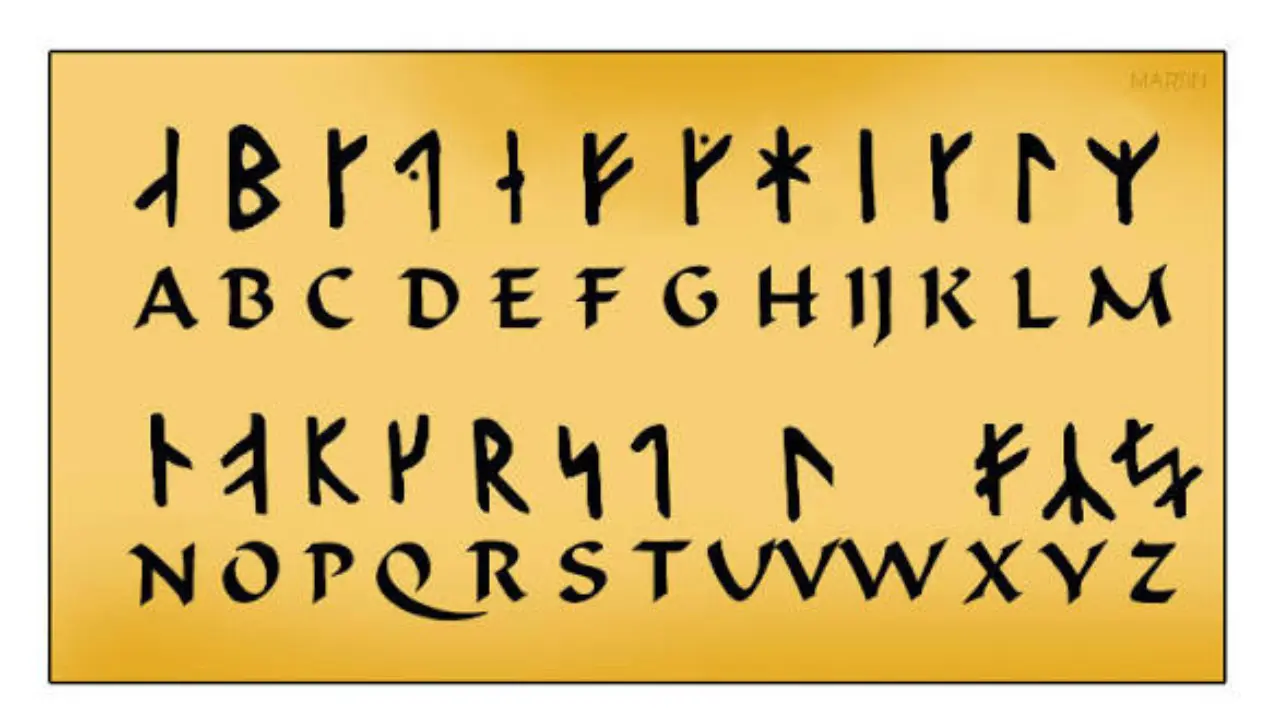
The name Futhark comes from the sounds of the first six runes in the alphabet. Unlike modern English letters, runes often featured straight lines and sharp angles.
These shapes made carving easier on hard surfaces. The writing system developed over time as Scandinavian languages changed.
History and Origin of Viking Letters
The history of Viking letters began before the Viking Age. Early Germanic communities started using runic writing around the first or second century CE.
The earliest widely recognized runic alphabet was the Elder Futhark. It contained 24 characters and appeared across parts of Northern Europe.
As languages developed, Scandinavian communities gradually adopted a shorter alphabet. This newer writing system became known as the Younger Futhark.
The Younger Futhark became common around the beginning of the Viking Age. It remained an important writing system throughout the Viking period.
Although the newer alphabet contained fewer characters, it could still represent the spoken language. Some runes represented several different sounds.
Development of the Runic Alphabet
| Runic Alphabet | Approximate Period | Number of Runes |
|---|---|---|
| Elder Futhark | 2nd–8th centuries | 24 |
| Younger Futhark | 8th–12th centuries | 16 |
| Medieval Runes | 12th–16th centuries | Varied |
| Anglo-Saxon Futhorc | 5th–11th centuries | About 26–33 |
These alphabets developed in different regions and historical periods. The Younger Futhark is most closely connected with Viking Age Scandinavia.
The Viking Runic Alphabet and Its Symbols
The Viking runic alphabet contained 16 main characters. Each character had a name and represented one or more sounds.
Some rune names also referred to natural objects, human experiences, or important cultural ideas. These associations help historians understand traditional Scandinavian vocabulary.
Complete Younger Futhark Alphabet
| Rune | Traditional Name | Main Sound |
|---|---|---|
| ᚠ | Fé | F |
| ᚢ | Úr | U |
| ᚦ | Þurs | TH |
| ᚬ | Óss | O or nasal A |
| ᚱ | Reið | R |
| ᚴ | Kaun | K |
| ᚼ | Hagall | H |
| ᚾ | Nauð | N |
| ᛁ | Íss | I |
| ᛅ | Ár | A |
| ᛋ | Sól | S |
| ᛏ | Týr | T |
| ᛒ | Bjarkan | B |
| ᛘ | Maðr | M |
| ᛚ | Lögr | L |
| ᛦ | Ýr | Special R sound |
The table shows common long-branch rune forms. The sound values are simplified because several runes represented multiple sounds.
Viking Letters and Their Meanings
Many people are interested in the meanings behind Viking letters. Traditional rune names often relate to nature, daily life, and Scandinavian beliefs.
For example, the Fé rune relates to wealth or livestock. The Sól rune represents the sun, while Íss means ice.
Some people also connect runes with spiritual meanings. However, many modern interpretations are different from their documented historical uses.
Common Rune Meanings
| Rune | Name | Traditional Meaning |
|---|---|---|
| ᚠ | Fé | Wealth or livestock |
| ᚦ | Þurs | Giant |
| ᚱ | Reið | Riding or journey |
| ᚼ | Hagall | Hail |
| ᚾ | Nauð | Need or hardship |
| ᛁ | Íss | Ice |
| ᛅ | Ár | Good year or harvest |
| ᛋ | Sól | Sun |
| ᛏ | Týr | Norse god Týr |
| ᛒ | Bjarkan | Birch |
| ᛘ | Maðr | Human being |
| ᛚ | Lögr | Water |
These meanings come mainly from traditional rune names preserved in later sources. They should not be confused with guaranteed magical powers.
How Vikings Used Runes in Daily Life
Vikings used runes for several practical purposes. They recorded names, marked personal belongings, and created memorial inscriptions.
Runic writing appeared on stones, wooden objects, jewelry, and tools. Archaeologists have discovered many examples across Scandinavia.
Some inscriptions were short and simple. Others contained longer messages about family members, journeys, or important achievements.
Cute Bubble Letters Easy Step-by-Step Guide for Beginners
Runestones and Memorials
Runestones were among the most important examples of Viking writing. Families sometimes raised these stones to honor relatives who had died.
The inscriptions often included names and family relationships. Some also described journeys, land ownership, or religious beliefs.
These monuments helped preserve memories for future generations. Today, historians study them to understand Viking society.
Personal Belongings and Tools
People also carved runes onto everyday objects. These markings could identify owners or communicate short messages.
Runes appeared on wooden items, metal objects, and personal decorations. Such discoveries show that writing had practical uses beyond large monuments.
Alphabet Bubble Letters Easy Steps, Styles & Tips for Beginners
Different Styles of Viking Runic Writing
Not all Viking runes looked exactly the same. Different Scandinavian regions developed their own writing styles.
Two important forms were long-branch runes and short-twig runes. Both belonged to the Younger Futhark tradition.
Long-Branch Runes
Long-branch runes featured relatively detailed lines and angular shapes. This style appeared prominently in Denmark and other Scandinavian regions.
Stone carvers often used these symbols for inscriptions. Their distinctive appearance remains popular in historical artwork.
Short-Twig Runes
Short-twig runes had simpler shapes and fewer strokes. They were especially common in parts of Norway and Sweden.
Their compact forms could make carving quicker. Despite their different appearance, they represented a similar range of sounds.
How to Write Your Name Using Viking Letters
Writing a modern name using Viking letters requires some understanding of pronunciation. The Younger Futhark does not contain a separate character for every English sound.
Start by saying the name slowly. Identify its main sounds and find the closest matching runes.
For example, the name Erik can be approximately written as ᛁᚱᛁᚴ. This spelling uses runes that represent sounds similar to those in the name.
Modern names may have several possible runic spellings. A historically accurate Old Norse spelling may also differ from a modern English version.
It is important to remember that rune conversion is not always exact. Accurate historical writing requires knowledge of Old Norse language and pronunciation.
Viking Runes in Norse Mythology
Runes also appear in stories from Norse mythology. The god Odin has a particularly strong connection with runic knowledge.
According to the Old Norse poem Hávamál, Odin gained knowledge of runes through a dramatic personal sacrifice. This story connects runic wisdom with divine knowledge.
Some historical sources also describe magical or ritual uses of runes. However, many surviving inscriptions served ordinary communication purposes.
Modern spiritual traditions sometimes assign specific powers to individual runes. These interpretations do not always reflect Viking Age beliefs.
Famous Viking Runestones
Several surviving runestones provide valuable information about Scandinavian history. Their inscriptions reveal names, events, and important cultural changes.
Jelling Runestones
The Jelling Runestones are famous historical monuments in Denmark. They are closely connected with the Danish royal family.
The larger stone records achievements associated with King Harald Bluetooth. It also reflects the spread of Christianity in Denmark.
These monuments are important examples of Viking Age art and writing. Their inscriptions help historians understand royal power and religious change.
Rök Runestone
The Rök Runestone stands in Sweden and contains a long, complex runic inscription. Scholars continue to study its language and possible meanings.
The monument demonstrates the skill of early Scandinavian rune carvers. It also shows how inscriptions could preserve cultural stories and ideas.
Viking Letters in Modern Tattoos and Art
Today, Viking letters remain popular in tattoos, jewelry, clothing, and graphic design. Their sharp shapes create a bold and recognizable appearance.
Many people choose runes because they appreciate Norse history. Others use them to represent personal values or cultural interests.
However, not every modern runic design reflects authentic Viking history. Some designs combine different alphabets or use recently invented meanings.
Anyone planning a permanent tattoo should check the spelling carefully. Understanding the historical background can help prevent mistakes.
Difference Between Viking Runes and Modern English Letters
Modern English uses an alphabet containing 26 letters. The Younger Futhark contained only 16 basic runes.
This difference means that runic writing cannot always represent English spelling exactly. One rune may stand for several sounds.
Viking Age inscriptions also followed different writing conventions. Writers did not use the same standardized spelling rules found in modern English.
Understanding these differences is important when translating names or studying historical inscriptions.
Why Viking Runes Are Still Important Today
Runes provide valuable evidence about Scandinavian languages and cultural traditions. They help researchers study how people communicated during the Viking Age.
Runic inscriptions also preserve information that might otherwise have disappeared. Names, family relationships, and historical events survive through these carvings.
Museums and researchers continue to study runestones and smaller objects. New discoveries can improve our understanding of ancient Scandinavian society.
The symbols also remain important in modern art and education. Their lasting popularity shows the continuing interest in Norse history.
Frequently Asked Questions
What are Viking letters called?
Viking writing symbols are called runes. During the Viking Age, Scandinavians mainly used the Younger Futhark alphabet.
How many letters were in the Viking alphabet?
The Younger Futhark contained 16 runes. The earlier Elder Futhark contained 24 characters.
Did Vikings use runes for magic?
Some historical sources connect runes with magical practices. However, many inscriptions were used for ordinary communication and memorials.
Can Viking runes represent English names?
Yes, English names can be approximated using runes. However, the result may not match historical Old Norse spelling.
Why did Vikings carve letters into stones?
Vikings carved runes into stones to preserve names, honor relatives, and record important events. Stone inscriptions could survive for centuries.
Are Viking runes still used today?
Yes, people use runes in historical studies, tattoos, jewelry, art, and educational projects. They are no longer a common everyday writing system.
Conclusion
Viking letters provide a fascinating connection to ancient Scandinavian history. Their distinctive shapes and traditional names reveal important details about Norse language and culture.
The Younger Futhark played a major role in Viking Age communication. Its 16 runes appeared on memorial stones, personal belongings, and everyday objects.
Learning about these ancient symbols helps people understand how Vikings recorded information and preserved memories. Their influence continues through modern art, historical research, and cultural traditions.